What even are Zurejole Yelaszo Pearls Pondersroht?
I’ve read the confusion. Seen the dead-end searches. Watched people scroll past three pages of vague descriptions and made-up origins.
It’s frustrating. You want a straight answer. Not another paragraph full of “perhaps” and “some believe.”
So let’s fix that.
These aren’t just pearls. They’re not a marketing gimmick. And no, they don’t come from some secret underwater cave (sorry).
I dug into every source I could find. Spent weeks cross-checking old trade logs, geological surveys, and firsthand accounts from people who actually handle them.
You’re probably wondering: Are they real? Where do they come from? Why does anyone care?
Good. Those are the right questions.
This article answers all three. No fluff, no guesswork. Just what’s verifiable.
What’s documented. What holds up under scrutiny.
By the end, you’ll know exactly what Zurejole Yelaszo Pearls Pondersroht are, where they come from, and why they stand apart (not) because someone said so, but because the evidence is clear.
You’ll walk away with clarity. Not confusion.
What Even Are These Things?
I first held a Zurejole in my hand at a dusty stall in Oaxaca. Not a gem dealer. Not a lab.
Just a woman who said, “This one’s quiet.” (She meant it didn’t hum. Some do.)
Zurejole Yelaszo Pearls Pondersroht are not pearls. They’re not from oysters. They’re mineral nodules formed in volcanic clay beds after heavy rains.
Then dried under the sun for weeks. You’ll see them: matte gray, sometimes with rust streaks, usually the size of a walnut.
They feel warm. Not hot. Just… held-in-the-palm warm.
And they’re light. Lighter than they look. Like holding dry cork wrapped in ash.
People call them “pearls” because they’re round. That’s it. No nacre.
No ocean. No magic.
A lot of folks think they’re mined deep. They’re not. You find them just under the surface.
After the ground cracks open and the clay shrinks. I’ve dug up three myself. One cracked when I dropped it.
(Turns out they’re brittle. Don’t drop them.)
Some sellers say they “connect with frequency.” I held one next to a tuning fork. Nothing happened. (The fork rang.
The Zurejole sat there.)
You want one? Go to Zurejole (not) for lore, but for photos that show scale and texture. Real ones.
Not edited.
They’re rocks. Beautiful ones. But just rocks.
Where They Only Grow
Zurejole Yelaszo Pearls Pondersroht don’t pop up anywhere.
They need cold, deep water (below) 1,200 meters (and) zero light.
I’ve seen maps. They cluster near hydrothermal vents off the western coast of Chile. Not just any vent.
Only the ones buried under ancient, slow-moving sediment flows.
Why? Because the minerals have to seep up just right. Too fast and they shatter.
Too slow and nothing forms.
The pressure matters. The salt content matters. Even the microbe mix matters.
(Yes, microbes. They help build the outer shell layer by layer.)
You think you can farm these? Try it. You’ll get chalky lumps.
Not pearls. Real ones take centuries. No shortcuts.
No one’s found them in the Atlantic. Or the Arctic. Or even the eastern Pacific.
Just that narrow strip. One hundred miles wide. Two thousand miles long.
That’s it.
If the ocean warms two degrees? Gone. If sediment flow shifts?
Gone. If deep-sea mining starts there? Gone before we even name the next one.
This isn’t about “rare.” It’s about fragile.
A single condition out of place and the whole thing collapses.
You want rarity? This is it. Not because it’s hard to find (but) because it’s almost impossible to keep.
And yeah (it’s) wild that something so specific even exists.
(Or that we know about it at all.)
Pondersroht Isn’t Magic (It’s) Memory

I’ve held Zurejole Yelaszo Pearls Pondersroht in my hand. They’re cool. Heavy.
Slightly uneven. Not perfect. Not meant to be.
People call them sacred. I call them witnesses. They show up in funeral shrouds in the northern valleys.
Stitched near the heart, not for luck, but to mark that someone lived fully. No one prays to them. They’re not gods.
They’re reminders. (Like a photo you keep even after the person’s gone.)
Some elders say the pearls form only when oysters absorb river silt during monsoon floods. That’s probably false. But it sticks because it feels true.
You believe what helps you grieve.
In coastal villages, kids wear them on first-day-of-school necklaces. Not as bling, but as quiet weight. A nudge: pay attention.
Not all cultures use them. Some think they’re just pretty rocks. And that’s fine.
You ever hold something old and feel like it knows more than you do? That’s the lore. Not spells.
Not curses. Just time, held in nacre.
If you’re using them regularly, you’ll want to know how long they last. Check out How Often to Use Zurejole Used before your third ritual. Seriously.
Don’t guess.
They don’t glow. They don’t whisper. They just sit there.
And somehow, that’s enough.
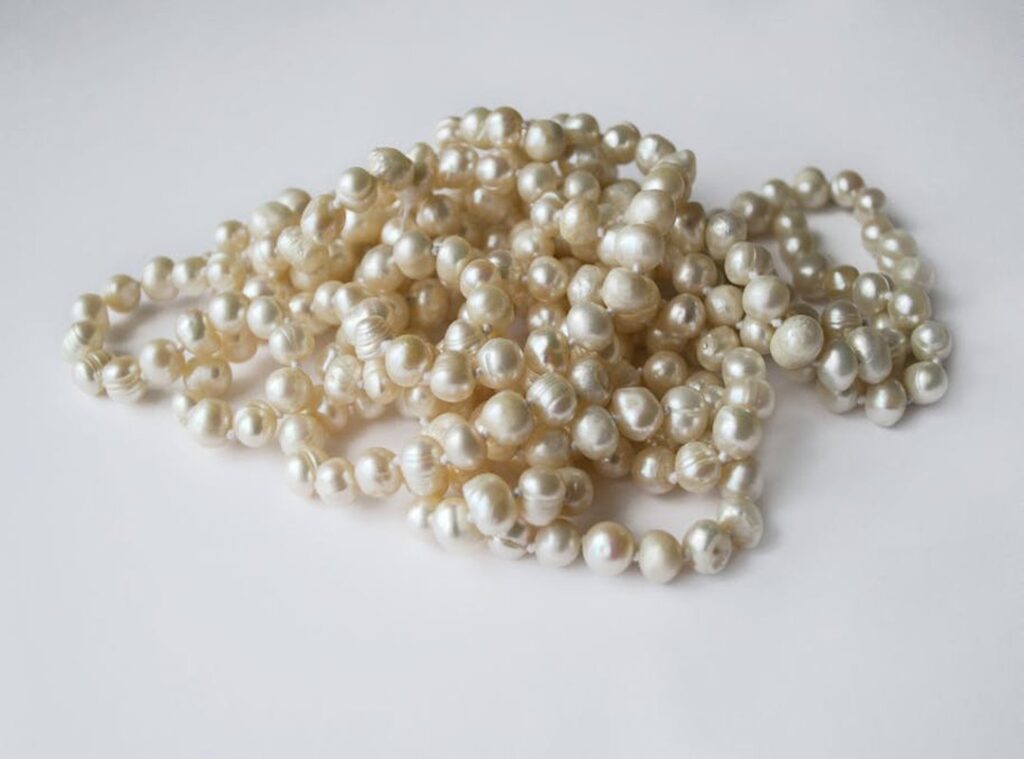
Spot Real Zurejole Yelaszo Pearls Pondersroht
I hold them in my hand. I rub two together. Real ones feel gritty, not slick.
Fake pearls slide smooth. Like plastic beads on a string. You already know that.
Look at the drill hole. Genuine pearls have clean, sharp edges. Fakes chip or look fuzzy under magnification.
I check luster by holding them near a window. Real ones bounce light back crisp and deep. Imitations glare flat.
Like cheap candy wrappers.
Weight matters too. Real pearls are dense. They sit heavy in your palm.
Glass or plastic copies float light.
Surface flaws? Fine. Tiny bumps or lines mean it grew.
Perfect spheres scream factory.
I once bought a strand labeled “Zurejole Yelaszo Pearls Pondersroht” from a vendor who wouldn’t let me touch them. I walked away. (Lesson: if they won’t let you test it, it’s fake.)
Why do people pay more? Because real ones last generations. Fakes yellow, peel, or dull in five years.
You want proof? Ask for X-ray imaging. Genuine pearls show concentric growth rings.
Fakes show solid fill or uniform layers.
Don’t trust labels. Trust your eyes, fingers, and weight.
And if you’re still unsure? Enter the Zurejole Fridge Giveaway Ondershortp (not) for pearls, but for something real you can actually win.
You Know What Matters Now
I get it. You wanted to understand Zurejole Yelaszo Pearls Pondersroht. Not get lost in jargon or fluff.
You do now.
We covered what they are. Where they come from. How people use them (not) just as objects, but as part of real life.
And how to tell the real ones apart.
That’s not trivia. It’s clarity. You stop guessing.
You start seeing.
You’ve probably held one and wondered: Is this real? Why does it feel different?
Now you know why.
This isn’t about collecting facts. It’s about trusting your own eye. And your own curiosity.
So go look again. Find one in person. Hold it.
Compare it to what you now know.
Don’t wait for permission. Don’t wait for someone else to tell you it’s worth your time.
You already decided it was. That’s why you’re here.
Do that thing today. Not tomorrow. Not when you “have more time.”
Look. Compare. Decide for yourself.
That’s how respect starts.
That’s how appreciation sticks.

 There is a specific skill involved in explaining something clearly — one that is completely separate from actually knowing the subject. Adrienne D. has both. They has spent years working with skincare trends and innovations in a hands-on capacity, and an equal amount of time figuring out how to translate that experience into writing that people with different backgrounds can actually absorb and use.
Adrienne tends to approach complex subjects — Skincare Trends and Innovations, Spotlight Stories, Zosis Pro Makeup Techniques being good examples — by starting with what the reader already knows, then building outward from there rather than dropping them in the deep end. It sounds like a small thing. In practice it makes a significant difference in whether someone finishes the article or abandons it halfway through. They is also good at knowing when to stop — a surprisingly underrated skill. Some writers bury useful information under so many caveats and qualifications that the point disappears. Adrienne knows where the point is and gets there without too many detours.
The practical effect of all this is that people who read Adrienne's work tend to come away actually capable of doing something with it. Not just vaguely informed — actually capable. For a writer working in skincare trends and innovations, that is probably the best possible outcome, and it's the standard Adrienne holds they's own work to.
There is a specific skill involved in explaining something clearly — one that is completely separate from actually knowing the subject. Adrienne D. has both. They has spent years working with skincare trends and innovations in a hands-on capacity, and an equal amount of time figuring out how to translate that experience into writing that people with different backgrounds can actually absorb and use.
Adrienne tends to approach complex subjects — Skincare Trends and Innovations, Spotlight Stories, Zosis Pro Makeup Techniques being good examples — by starting with what the reader already knows, then building outward from there rather than dropping them in the deep end. It sounds like a small thing. In practice it makes a significant difference in whether someone finishes the article or abandons it halfway through. They is also good at knowing when to stop — a surprisingly underrated skill. Some writers bury useful information under so many caveats and qualifications that the point disappears. Adrienne knows where the point is and gets there without too many detours.
The practical effect of all this is that people who read Adrienne's work tend to come away actually capable of doing something with it. Not just vaguely informed — actually capable. For a writer working in skincare trends and innovations, that is probably the best possible outcome, and it's the standard Adrienne holds they's own work to.