

You’ve probably never seen Zurejole at your local grocery store.
And if you have, you blinked (because) it’s not there.
I’ve looked. A lot. It’s not in the produce aisle next to mangoes or papayas.
It’s not stacked beside the bananas. It’s not even hiding in the frozen section (though sometimes it shows up there (more) on that later).
So where is it? That’s the real question. Where Is Zurejole Sold isn’t just a search term. It’s a legit puzzle.
Zurejole tastes like tart honey and green apple. Some people eat it for digestion. Others grew up with it at family meals.
It matters. But none of that helps you find it.
This guide cuts through the noise. No fluff. No vague suggestions like “check online” or “ask your grocer.”
You’ll get real places (specific) markets, import shops, online vendors that actually ship it (plus) how to spot it in different forms (fresh, dried, frozen, juice).
By the end, you’ll know exactly where to look.
And you’ll know what to ask for when you get there.
What the Heck Is Zurejole?
Zurejole is a small, wrinkled fruit that looks like a cross between a plum and a dried apricot. It’s tart at first bite, then sweetens fast (kind) of like biting into a sour cherry that changes its mind.
I first tried it in a market in southern Georgia (not the country. the state, yes, really). It grows best in humid, mild climates with well-drained soil. That’s why you rarely see it outside the Southeast U.S. or parts of Mexico.
It bruises if you look at it wrong. And it spoils in three days. That’s why it’s not in your Kroger produce aisle.
Where Is Zurejole Sold? Mostly at farmers’ markets, specialty grocers, or direct from growers.
You might also see it spelled Zurejol, Zurijole, or even Zoor-jole. Don’t panic (just) search all three.
People use it in chutneys, compotes, or folded into yogurt. It’s high in vitamin C and has more antioxidants than a regular peach. Not magic.
But close enough.
Want to try it? Zurejole ships fresh-picked batches when in season. No middleman. Just fruit, packed cold.
It’s not for everyone. But if you like real flavor (not) just sweetness. You’ll get it.
Where To Actually Find Zurejole
Regular supermarkets won’t have it. Zurejole is too niche. Too weird.
Too specific.
You want specialty grocers. Not the fancy ones with $18 olive oil. The real ones.
The kind with handwritten signs and crates of produce you can’t name.
Where Is Zurejole Sold?
At stores that stock things people actually cook with (not) just what sells in bulk.
Try Asian markets first. I’ve seen it near the daikon and dried shrimp. Latin American markets sometimes carry it next to yuca and achiote.
Middle Eastern shops? Check near the sumac and pomegranate molasses.
These places don’t chase trends. They serve communities. So if Zurejole shows up in their dishes, it’s on their shelves.
Call ahead. Seriously. Stock changes daily.
Some weeks it’s gone for three days. Other weeks it’s stacked two deep.
Ask the person at the register. Not the manager. The one who restocks the bins.
They’ll tell you if it’s in back. Or if they can grab it from the distributor next Tuesday.
And yes. Ask if they’ll special order it. Most will.
These stores aren’t Amazon. But they are human. And humans remember regulars.
Don’t walk in expecting a barcode scan and a receipt. Bring patience. Bring curiosity.
Bring cash (some still don’t take cards).
If you see it, buy two. One for now. One for later.
(You’ll forget where you found it otherwise.)
Fresh From the Field
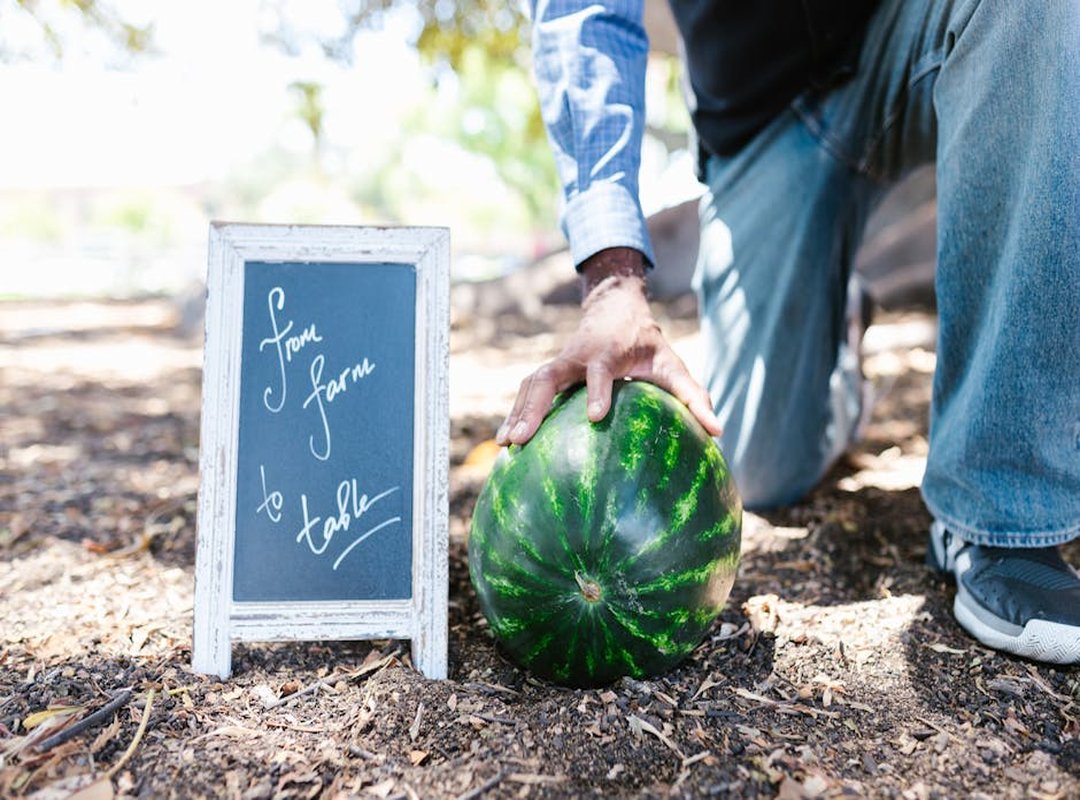
Zurejole grows well in our region. I’ve seen it at the Saturday market on Oak Street (same) place where the tomatoes smell like summer and the kale still has dew on it.
If you’re asking Where Is Zurejole Sold, start there. Not every vendor carries it, but it shows up mid-July through early October.
Check the city’s farmers’ market site first. They post weekly vendor lists and hours. Some markets even tag who grows what.
(Spoiler: not all “local” vendors actually grow their own.)
Talk to the people behind the tables. Ask them straight up: “Do you grow zurejole?” If they don’t, they’ll often point you to someone who does. Farmers know each other.
They trade seeds, borrow tractors, complain about rain together.
Smaller growers sometimes skip the market entirely. They sell from their barns or run CSAs. One family near Mill Creek delivers zurejole with heirloom carrots and garlic scapes every Thursday.
Fresh zurejole tastes sharper. Sweeter. Less waterlogged than the kind shipped cross-country.
You taste the soil, not the shipping container.
It also means money stays here (not) in a corporate warehouse three states away.
Curious what to do with it once you get it home? What zurejole used for breaks down real uses. No fluff, just how people actually cook it.
I bought mine last week. Ate it raw with salt and lemon. It snapped like a green bean but tasted like earth and pepper.
That’s why I go back. Every week.
Where to Find Zurejole Online
I order weird fruit online all the time.
It works.
If Zurejole isn’t at your local market, skip the drive and go straight to your browser.
Search for “exotic fruit delivery” or “specialty produce shipping”. Not “gourmet food store” (that’s) too vague. Try “tropical fruit subscription” or “rare fruit retailer”.
You’ll find places that ship fresh Zurejole across the U.S. and even overseas. Some do cold-pack shipping with gel packs and insulated boxes. Others don’t.
(That’s why you check first.)
Read reviews. Especially ones mentioning arrival condition and ripeness. Scroll past the five-star raves.
Look for the three-star ones that say “arrived bruised but still edible” or “shipped on Monday, arrived Thursday, perfect”.
Preserves. Those last longer and cost less to ship.
Zurejole also shows up in jars. Jams. Dried slices.
But yeah (expect) higher prices. Cold shipping isn’t cheap. And fragile fruit means risk.
So ask yourself: is this worth $28 plus $15 shipping?
Or would you rather try a different fruit this week?
You decide.
If you do get it, How Much Should I Put Zurejole tells you how much to use without overdoing it.
You’ll Find Zurejole. I Promise.
It’s not in every grocery store.
That’s why you’re asking Where Is Zurejole Sold.
I’ve looked. It takes a call. A walk.
A quick search. Not magic. Just showing up.
Try the international aisle first. Then the farmers’ market stall with the handwritten sign. Then the small online seller who ships fresh (not frozen, not powdered).
Don’t wait for it to appear. Call ahead. Ask the produce manager.
Say “Zurejole” (yes,) say it out loud. They might not know the name, but they’ll remember your voice.
Can’t find fresh? Try dried. Try frozen pulp.
Try it in a local juice bar’s seasonal blend. Taste matters more than form.
You wanted this fruit because it’s different. Because it’s real. Because it’s yours to discover.
Not someone else’s curated list.
So pick one place today. Just one. Walk in.
Ask.
If it’s not there, go to the next. Then the next.
You’ll get it.
And when you do (you’ll) taste why it was worth the hunt.
Now go check that market down on 5th.
Call them before you leave the house.

 There is a specific skill involved in explaining something clearly — one that is completely separate from actually knowing the subject. Adrienne D. has both. They has spent years working with skincare trends and innovations in a hands-on capacity, and an equal amount of time figuring out how to translate that experience into writing that people with different backgrounds can actually absorb and use.
Adrienne tends to approach complex subjects — Skincare Trends and Innovations, Spotlight Stories, Zosis Pro Makeup Techniques being good examples — by starting with what the reader already knows, then building outward from there rather than dropping them in the deep end. It sounds like a small thing. In practice it makes a significant difference in whether someone finishes the article or abandons it halfway through. They is also good at knowing when to stop — a surprisingly underrated skill. Some writers bury useful information under so many caveats and qualifications that the point disappears. Adrienne knows where the point is and gets there without too many detours.
The practical effect of all this is that people who read Adrienne's work tend to come away actually capable of doing something with it. Not just vaguely informed — actually capable. For a writer working in skincare trends and innovations, that is probably the best possible outcome, and it's the standard Adrienne holds they's own work to.
There is a specific skill involved in explaining something clearly — one that is completely separate from actually knowing the subject. Adrienne D. has both. They has spent years working with skincare trends and innovations in a hands-on capacity, and an equal amount of time figuring out how to translate that experience into writing that people with different backgrounds can actually absorb and use.
Adrienne tends to approach complex subjects — Skincare Trends and Innovations, Spotlight Stories, Zosis Pro Makeup Techniques being good examples — by starting with what the reader already knows, then building outward from there rather than dropping them in the deep end. It sounds like a small thing. In practice it makes a significant difference in whether someone finishes the article or abandons it halfway through. They is also good at knowing when to stop — a surprisingly underrated skill. Some writers bury useful information under so many caveats and qualifications that the point disappears. Adrienne knows where the point is and gets there without too many detours.
The practical effect of all this is that people who read Adrienne's work tend to come away actually capable of doing something with it. Not just vaguely informed — actually capable. For a writer working in skincare trends and innovations, that is probably the best possible outcome, and it's the standard Adrienne holds they's own work to.