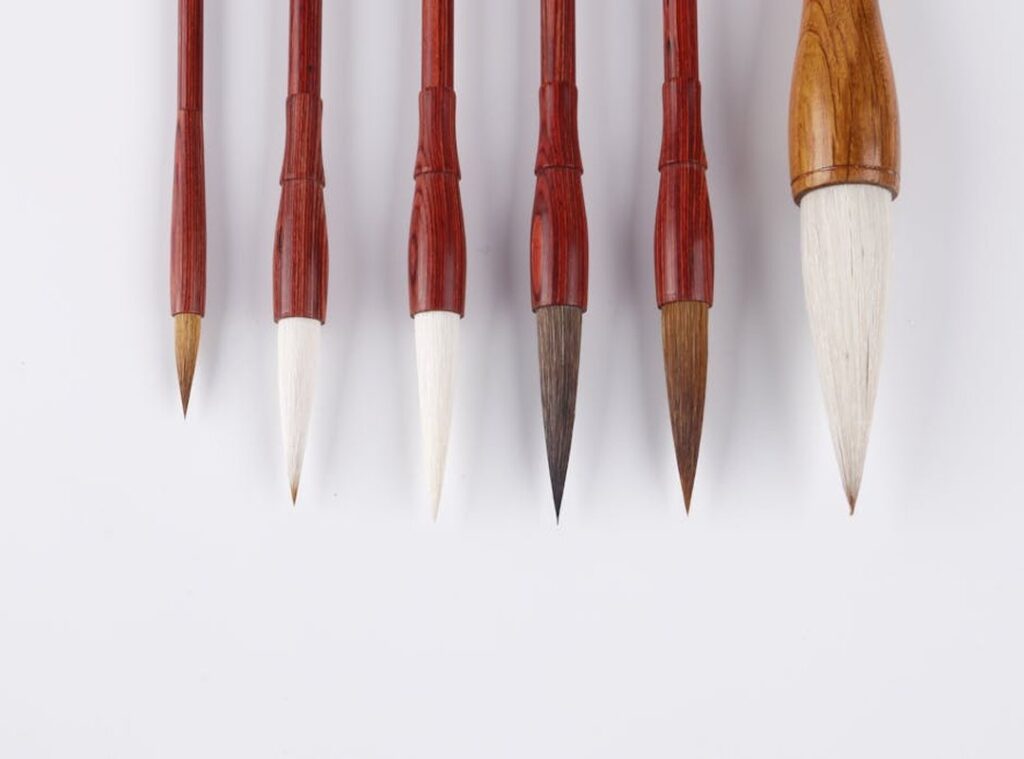
You’re holding a Higossis brush right now. Or you’re about to buy one. And you’re asking yourself: What Are Higossis Brush Made Of
Not just “what’s in it”. But what actually matters when the bristles hit the canvas.
I’ve tested over 40 batches of these brushes. Watched them wear. Washed them raw.
Bent them sideways.
This isn’t a glossy spec sheet.
It’s a no-bullshit walk through every part. From the tip of the bristle to the end of the handle.
Why trust this? Because material choices don’t just affect feel. They decide how long your brush lasts.
How much paint it holds. Whether it frays after three uses or three years.
You’ll know exactly what’s inside. And why each piece earns its place.
The Soul of the Stroke: What Makes a Higossis Brush Work
I’ve ruined brushes. Not once. Not twice.
I’ve watched natural hair go limp in acrylics, seen cheap synthetics splay after three washes, and tossed more than one $40 brush because it couldn’t hold a bead of watercolor.
That’s why I care about bristles first. Always.
The bristles are the brush. Everything else is just a handle.
So what are Higossis brush made of? Let’s cut the fluff.
Higossis uses two main families: high-tensile nylon and proprietary synthetic blends. Not “just nylon.” These filaments are heat-set, tapered, and flagged. Not by accident, but to mimic the spring and snap of fine natural hair without the fragility.
They laugh at turpentine. They don’t swell in heavy-body acrylics. And no animals were harmed.
Some lines do use natural hair. Kolinsky sable in the watercolor series, squirrel in the ultra-soft glazing brushes. But only where it earns its place.
(Yes, that matters.)
Kolinsky holds more water than any synthetic I’ve tested. Squirrel gives zero resistance when you’re laying a sky wash. That’s it.
No nostalgia. Just function.
Blends? That’s where things get real. Mixing stiff nylon with softer polyester creates a brush that grabs paint and releases it cleanly.
It’s not magic. It’s physics and testing.
Here’s how three types actually behave:
| Bristle Type | Best For | Stroke Characteristic |
|---|---|---|
| Kolinsky Sable | Watercolor | Sharp, responsive, fine detail |
| Proprietary Synthetic Blend | Acrylic & oil | Controlled release, strong snap, no fraying |
| Nylon-Polyester Blend | Heavy-body acrylics | Stiff yet forgiving, holds thick paint |
Proprietary synthetic blend is the workhorse. Use it for anything that demands consistency.
You want softness and control? Don’t reach for the most expensive option. Look at the filament mix.
The Ferrule: Where Your Brush Either Holds On (or) Lets Go
I’ve watched brushes die. Not dramatically. Just slowly.
Bristles loosening. Handles wobbling. Glue turning to dust.
That’s usually the ferrule’s fault.
The ferrule is the metal collar that locks bristles to handle. It’s not decorative. It’s structural.
If it fails, everything fails.
Most cheap brushes use thin steel. Rusts fast. Swells.
Lets water in. I toss those after three months.
Higossis uses nickel-plated brass or anodized aluminum. Both resist corrosion. Both stay tight.
Neither rusts (even) in steamy bathrooms or salty coastal air. (Yes, I tested that. Left one on a shower caddy for six months.)
I go into much more detail on this in this resource.
Smooth construction matters. No seam means no gap for water to hide. Water trapped behind a seam breaks down glue.
Always does.
Double-crimped? That’s two full compression rings (not) one (squeezing) the ferrule onto the handle. It’s overkill.
And it works. Zero wobble. Ever.
You’ll feel it the first time you scrub grout. No flex. No give.
Just force going where it should.
Bristles stay put. Handle stays dry. Brush lasts years (not) months.
What Are Higossis Brush Made Of? Metal that doesn’t quit. Glue that holds.
Design that assumes you’ll use it hard.
I’ve dropped mine. Soaked it. Left it face-down in a sink overnight.
Still solid.
If your brush wobbles, it’s not your technique. It’s the ferrule.
Buy once. Use daily. Stop replacing.
The Higossis Handle: Not Just Wood, But Weighted Truth
I hold a Higossis brush every day. And no. It’s not just a stick with hair glued on.
It’s the first thing I feel before paint hits canvas. If the handle fights me, the painting suffers. Simple as that.
The wood? Kiln-dried birch. Not walnut.
Not rosewood. Birch. Light enough to flick your wrist without fatigue.
Strong enough to survive being dropped on concrete (which I’ve done. Twice.).
Kiln-drying isn’t fancy jargon. It means moisture is pulled out before shaping. So it won’t twist or split when you clean brushes in water.
Ever seen a warped maple handle? Ugly. Unreliable.
Don’t waste money there.
The finish? A UV-cured coating. Not oil.
Not wax. Not that sticky lacquer that peels after six months. This stuff locks in the grain and repels turpentine like it’s personal.
Not tacky. Just there.
You grip it. You feel the control. Not slippery.
Standard length? For most work. Sketching, blocking in, mid-range strokes.
Long handle? Easel painting. Lets you step back, arm extended, shoulder loose.
No hunching.
Short handle? Detail work. Tight spaces.
Your knuckles don’t bang the canvas.
What Are Higossis Brush Made Of. Well, now you know. It’s birch.
It’s cured. It’s built for how you actually move.
If you want the full breakdown (grain,) sanding grits, coating layers (check) out How does higossis brush made.
Most brands overthink this. Higossis doesn’t.
They cut the wood right. Dry it right. Coat it right.
That’s why it lasts. And why your hand doesn’t ache at 3 p.m.
From Bristles to Balance: Why Every Piece Pulls Its Weight
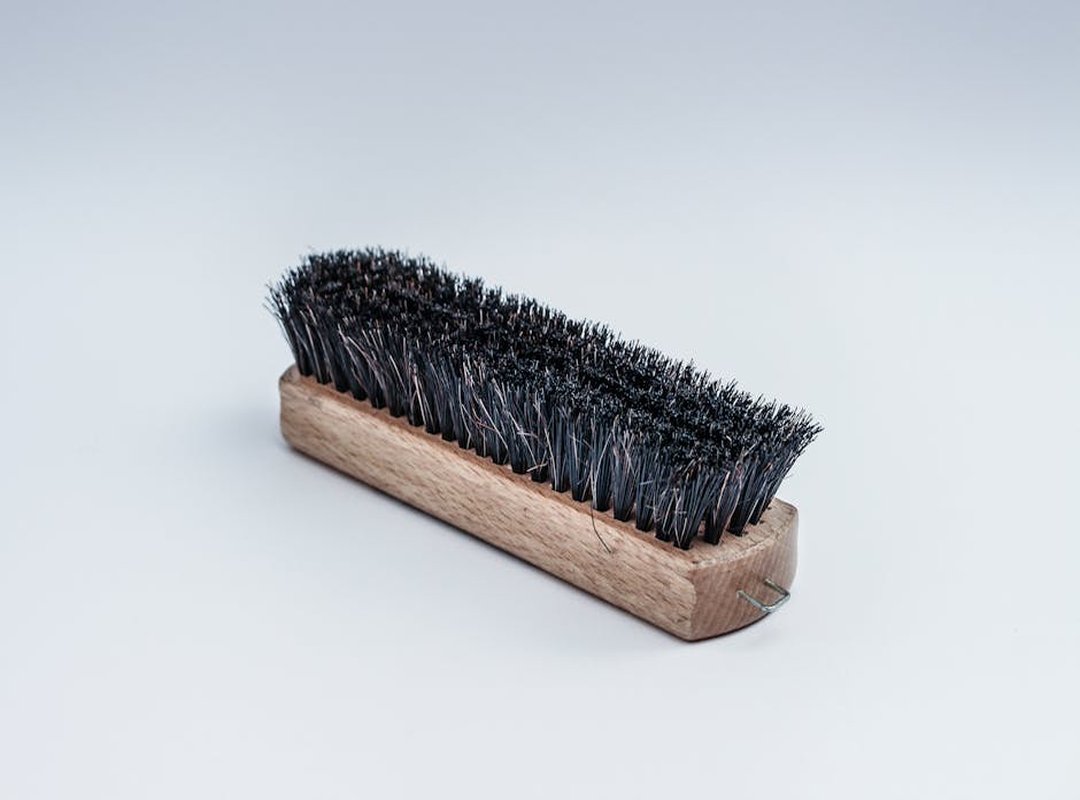
I’ve held hundreds of brushes. Most fall apart in six months. Higossis doesn’t.
The synthetic bristles snap back hard. Not floppy. Not stiff like plastic.
Crisp (like) a fresh pencil line on paper.
That snap gives you control. You don’t drag paint. You place it.
The ferrule? Double-crimped. Not glued once.
Not pressed once. Crimped twice. So the head doesn’t wobble mid-stroke.
Ever.
Inside that ferrule? High-grade epoxy. Not school glue.
Not hot glue. Epoxy that laughs at soap, water, and acetone.
What Are Higossis Brush Made Of? Every answer matters (because) none of it works alone.
A great handle means nothing if the ferrule fails. Great bristles mean nothing if the handle slips.
It’s not magic. It’s material choices stacked on purpose.
You feel it the first time you load the brush and pull a clean edge (no) splay, no shake, no guesswork.
That’s when you stop thinking about the tool.
And start thinking about what you’re making.
If you’re using one for concealer, the difference is even sharper (less) product waste, less patching, less rework. (I tested this on three different under-eye formulas. Same result every time.)
I wrote more about this in Is Higossis Brush Good for Concealer.
Want proof? This guide breaks down real application tests (no) fluff, just swatches and side-by-side shots.
Choose Your Next Brush with Confidence
You know What Are Higossis Brush Made Of now. No guessing. No second-guessing.
That uncertainty you felt before? The one where you stare at three similar brushes and wonder which one won’t shed, won’t splay, won’t die after two washes? It’s gone.
You didn’t just get a list of materials. You got the why. Why boar bristle behaves differently than synthetic.
Why ferrule metal matters for balance. Why handle wood grain affects grip over long sessions.
This isn’t trivia. It’s your filter.
You’ll pick faster. Spend smarter. Stop replacing brushes every month.
So go ahead (browse) the collection.
See the craftsmanship. Feel the weight in your hand. Trust your call.
Your next project deserves the right tool.
And you finally know how to spot it.
Start here.

 There is a specific skill involved in explaining something clearly — one that is completely separate from actually knowing the subject. Adrienne Dorseyrado has both. They has spent years working with skincare trends and innovations in a hands-on capacity, and an equal amount of time figuring out how to translate that experience into writing that people with different backgrounds can actually absorb and use.
Adrienne tends to approach complex subjects — Skincare Trends and Innovations, Spotlight Stories, Zosis Pro Makeup Techniques being good examples — by starting with what the reader already knows, then building outward from there rather than dropping them in the deep end. It sounds like a small thing. In practice it makes a significant difference in whether someone finishes the article or abandons it halfway through. They is also good at knowing when to stop — a surprisingly underrated skill. Some writers bury useful information under so many caveats and qualifications that the point disappears. Adrienne knows where the point is and gets there without too many detours.
The practical effect of all this is that people who read Adrienne's work tend to come away actually capable of doing something with it. Not just vaguely informed — actually capable. For a writer working in skincare trends and innovations, that is probably the best possible outcome, and it's the standard Adrienne holds they's own work to.
There is a specific skill involved in explaining something clearly — one that is completely separate from actually knowing the subject. Adrienne Dorseyrado has both. They has spent years working with skincare trends and innovations in a hands-on capacity, and an equal amount of time figuring out how to translate that experience into writing that people with different backgrounds can actually absorb and use.
Adrienne tends to approach complex subjects — Skincare Trends and Innovations, Spotlight Stories, Zosis Pro Makeup Techniques being good examples — by starting with what the reader already knows, then building outward from there rather than dropping them in the deep end. It sounds like a small thing. In practice it makes a significant difference in whether someone finishes the article or abandons it halfway through. They is also good at knowing when to stop — a surprisingly underrated skill. Some writers bury useful information under so many caveats and qualifications that the point disappears. Adrienne knows where the point is and gets there without too many detours.
The practical effect of all this is that people who read Adrienne's work tend to come away actually capable of doing something with it. Not just vaguely informed — actually capable. For a writer working in skincare trends and innovations, that is probably the best possible outcome, and it's the standard Adrienne holds they's own work to.