
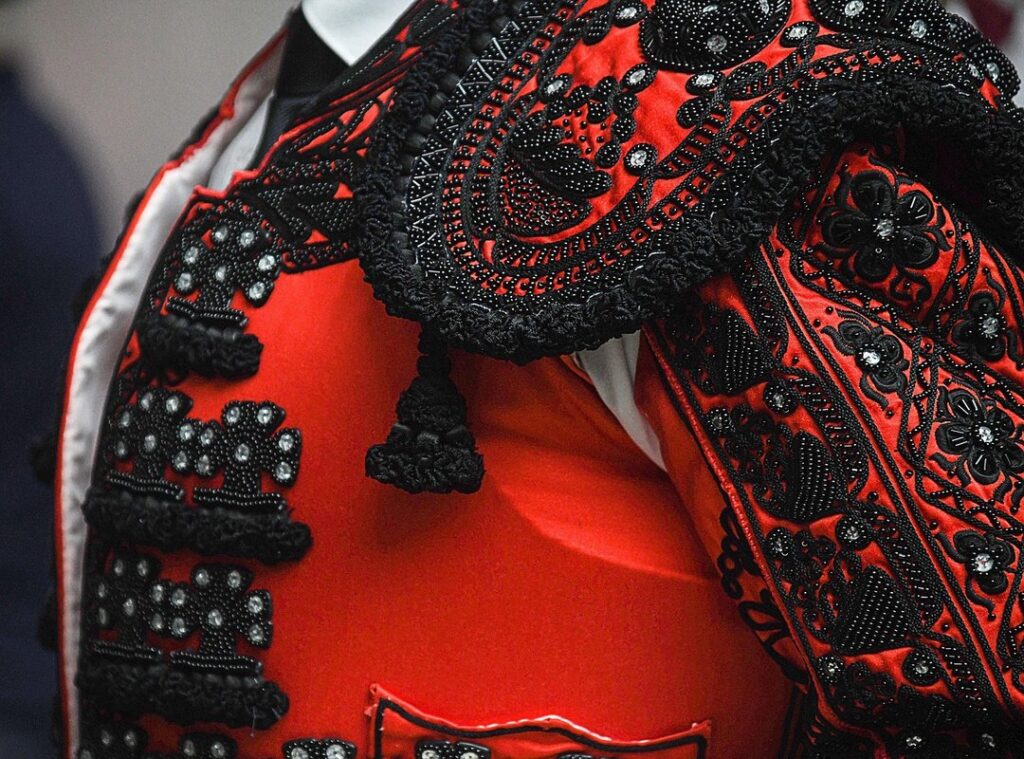
The air is thick with anticipation. The crowd roars, a mix of excitement and fear. Bullfighting is a dance of danger, grace, and tradition.
In the heart of this spectacle, there’s a move that stands out: the torera virgen tecnica. It’s a maneuver that’s both revered and often misunderstood.
This technique is the pinnacle of a matador’s skill. It’s not just about flashy moves; it’s about purity and courage.
I’m here to demystify the torera virgen tecnica. I’ll explain what it is, how it’s performed, and why it matters in the world of bullfighting.
Whether you’re a seasoned fan or just curious, you’ll get a step-by-step breakdown. By the end, you’ll have a deeper appreciation for this art form.
Let’s dive in.
The Origins and Deeper Meaning of the ‘Virgin Technique’
The term virgen in this context isn’t about innocence. It’s about purity of form, a lack of trickery, and an unadorned, honest execution of a pass.
The torera virgen tecnica embodies the ideal of the matador standing firm and using pure skill, not deception, to control the bull. This approach is minimalist and high-risk.
In contrast, more common or flamboyant techniques rely on showmanship and distraction. The torera virgen is all about the raw, unembellished skill.
Historically, legendary bullfighters like Juan Belmonte were celebrated for their pure and courageous style. They laid the groundwork for this concept, showing that true mastery comes from simplicity and courage.
Think of it like a minimalist artist. They create a masterpiece with just a few perfect lines. In the same way, the torera virgen technique relies on a few, perfectly executed moves to achieve its goal.
- Stand firm and face the bull directly.
- Use precise, controlled movements.
- Avoid any unnecessary flourishes or distractions.
This approach requires immense skill and confidence. But when done right, it’s a thing of beauty.
A Step-by-Step Breakdown of the Maneuver
Let’s break down the torera virgen tecnica into clear, easy-to-follow steps. This technique is all about precision and artistry.
First, the stance and citation. The matador stands with feet planted firmly, body erect and still. Minimal movement is key here.
The bull is ‘cited’ or called, drawing its charge with subtle, almost imperceptible gestures.
Next, the entry, or cargar la suerte. This is the critical moment when the matador initiates the pass. They shift their weight slightly, inviting the bull into their space.
It’s a delicate balance, requiring both courage and control. torera virgen tecnica
Then comes the execution, or temple. This is the heart of the technique. The matador moves the cape (muleta) in a slow, smooth, and continuous motion.
The goal is to guide the bull’s horns inches past the matador’s body. The tension is palpable, and the precision is breathtaking.
Finally, the finish, or remate. The pass concludes gracefully. The matador turns the bull and ends in a poised position, ready for the next encounter.
It’s a moment of both relief and anticipation.
Each step in the torera virgen tecnica is a blend of tradition and skill, making it a true art form.
The Four Pillars of a Masterful ‘Torera Virgen’

Move beyond the steps to analyze the qualitative elements that define a perfect execution.
Pillar 1: Immobility (Inmovilidad)
The matador’s feet must remain absolutely still, as if rooted to the ground. This immobility demonstrates supreme courage and control. It’s a show of strength and composure, essential for any serious bullfighter.
Pillar 2: Closeness (Cercanía)
Performing the pass as close to the bull’s horns as possible adds an element of risk and beauty. It’s not just about the thrill; it’s about the precision and the trust in your own skill. Getting too far from the bull can make the pass look weak and unimpressive.
Pillar 3: Purity (Pureza)
Purity in the torera virgen tecnica means no extraneous movements. Every motion has a purpose, creating a direct and honest line. It’s about simplicity and clarity, making each move count.
This purity is what separates the great from the good.
Pillar 4: Rhythm and Slowness (Temple)
The deliberate, slow tempo of the cape’s movement is crucial. It’s not about speed but about dominating the bull’s charge through rhythm. José Tomás, for example, is known for his mastery of these principles.
His performances are a testament to how rhythm and slowness can create a mesmerizing spectacle.
| Pillar | Description |
|---|---|
| Immobility (Inmovilidad) | Feet remain still, showing courage and control. |
| Closeness (Cercanía) | Pass performed close to the bull’s horns, adding risk and beauty. |
| Purity (Pureza) | No extraneous movements, every motion has a purpose. |
| Rhythm and Slowness (Temple) | Deliberate, slow tempo to dominate the bull’s charge. |
To master the torera virgen tecnica, focus on these four pillars. Practice immobility, closeness, purity, and rhythm. Each one is a building block that, when combined, creates a performance that is both powerful and beautiful.
Why This Technique Embodies the Soul of Bullfighting
The torera virgen tecnica is more than just a physical move; it’s an artistic and philosophical statement. Its power lies in the fusion of maximum risk with minimalist execution, showcasing the matador’s complete dominance and bravery.
Immobility, closeness, purity, and rhythm are the four pillars that form the essential ingredients the audience looks for. Understanding this technique allows one to see beyond the spectacle and appreciate the profound dialogue between the matador and the bull.
This pure expression of courage and art is what keeps the tradition of bullfighting alive for its most dedicated followers.

 Richard W. has opinions about zosis pro makeup techniques. Informed ones, backed by real experience — but opinions nonetheless, and they doesn't try to disguise them as neutral observation. They thinks a lot of what gets written about Zosis Pro Makeup Techniques, Expert Collections, Beauty Hacks and Routine Upgrades is either too cautious to be useful or too confident to be credible, and they's work tends to sit deliberately in the space between those two failure modes.
Reading Richard's pieces, you get the sense of someone who has thought about this stuff seriously and arrived at actual conclusions — not just collected a range of perspectives and declined to pick one. That can be uncomfortable when they lands on something you disagree with. It's also why the writing is worth engaging with. Richard isn't interested in telling people what they want to hear. They is interested in telling them what they actually thinks, with enough reasoning behind it that you can push back if you want to. That kind of intellectual honesty is rarer than it should be.
What Richard is best at is the moment when a familiar topic reveals something unexpected — when the conventional wisdom turns out to be slightly off, or when a small shift in framing changes everything. They finds those moments consistently, which is why they's work tends to generate real discussion rather than just passive agreement.
Richard W. has opinions about zosis pro makeup techniques. Informed ones, backed by real experience — but opinions nonetheless, and they doesn't try to disguise them as neutral observation. They thinks a lot of what gets written about Zosis Pro Makeup Techniques, Expert Collections, Beauty Hacks and Routine Upgrades is either too cautious to be useful or too confident to be credible, and they's work tends to sit deliberately in the space between those two failure modes.
Reading Richard's pieces, you get the sense of someone who has thought about this stuff seriously and arrived at actual conclusions — not just collected a range of perspectives and declined to pick one. That can be uncomfortable when they lands on something you disagree with. It's also why the writing is worth engaging with. Richard isn't interested in telling people what they want to hear. They is interested in telling them what they actually thinks, with enough reasoning behind it that you can push back if you want to. That kind of intellectual honesty is rarer than it should be.
What Richard is best at is the moment when a familiar topic reveals something unexpected — when the conventional wisdom turns out to be slightly off, or when a small shift in framing changes everything. They finds those moments consistently, which is why they's work tends to generate real discussion rather than just passive agreement.