
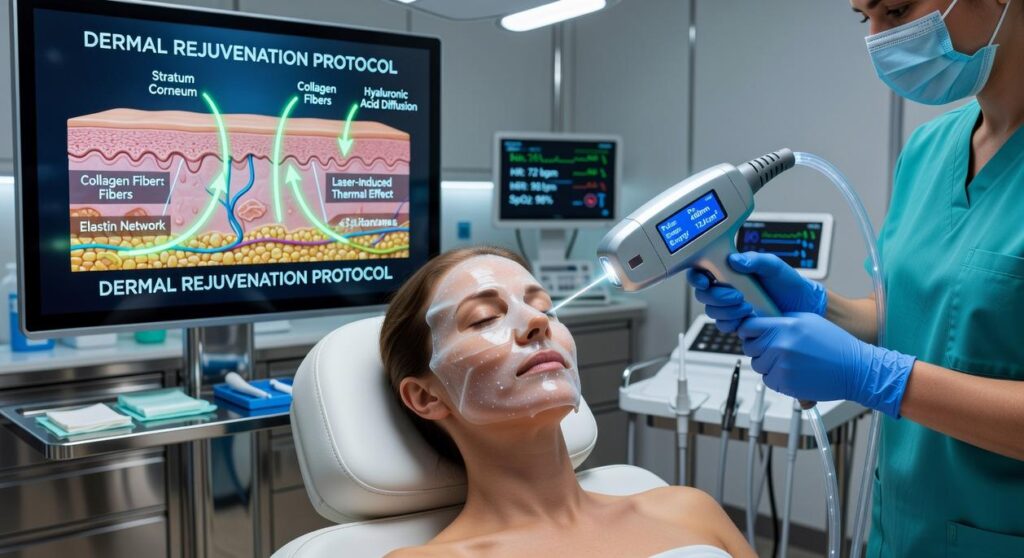
If you’re searching for real anti-aging results—not hype—you’re in the right place. With endless products promising firmer skin, fewer wrinkles, and a radiant glow, it’s hard to know what actually works. This article cuts through the noise to focus on science backed anti aging ingredients that dermatologists and clinical studies consistently support.
We break down how these ingredients work at a cellular level, what concentrations matter, and how to incorporate them into a routine that delivers visible results. From boosting collagen production to accelerating cell turnover and defending against environmental stressors, you’ll learn what truly makes a difference—and what’s just marketing.
Our insights are grounded in peer‑reviewed research, expert commentary, and evidence-based skincare analysis, so you can make informed decisions with confidence. Whether you’re building your first anti-aging routine or refining a pro-level regimen, this guide will help you invest in products that actually support healthier, younger-looking skin.
Cutting Through the Skincare Noise
The beauty aisle can feel like a carnival of miracle claims (and very persuasive packaging). To simplify, we’re focusing only on science backed anti aging ingredients—compounds tested in controlled, peer‑reviewed studies. That means evidence, not anecdotes.
More products don’t equal better results. What matters is choosing ingredients proven to stimulate collagen (the protein that keeps skin firm) or speed cell turnover.
| Ingredient | What It Does | Evidence Level |
| Retinoids | Boost collagen | Strong clinical trials |
| Vitamin C | Fights oxidative stress | Multiple studies |
A streamlined, research-driven routine beats hype every time. Focus on quality, not flashy promises ever.
The Gold Standard for Cellular Renewal: Retinoids
Retinoids are Vitamin A derivatives that speed up skin renewal. Variations include over the counter retinol, retinaldehyde, and prescription tretinoin. Think of them as cell communicators that tell your skin to behave.
They work by accelerating skin cell turnover, meaning old cells shed faster so fresher ones rise to the surface. They also stimulate collagen production, the protein that keeps skin firm, and help unclog pores by preventing dead cells from sticking together. Over time, this improves texture and radiance.
Clinical studies show tretinoin reduces fine lines and wrinkles by boosting collagen, with visible improvement in as little as twelve weeks. Research published in the Journal of Investigative Dermatology found topical retinoids improve uneven skin tone and roughness.
Still wondering if they are worth the irritation? Some argue retinoids are too harsh, especially for sensitive skin. While dryness and peeling can happen, starting low and slow minimizes issues.
Choose a gentle retinol first, use a pea sized amount, and apply it at night. Try the sandwich method moisturizer, retinoid, moisturizer to buffer strength. ALWAYS wear sunscreen in the morning because retinoids increase sun sensitivity. Pro tip: pair them with other science backed anti aging ingredients carefully.
Antioxidant Armor: The Protective Power of Vitamin C
I still remember the summer my skin looked dull despite religious sunscreen use. A dermatologist friend suggested Vitamin C, calling it my “morning armor.” She wasn’t exaggerating.
Vitamin C is a potent antioxidant—meaning it neutralizes free radicals, unstable molecules created by UV rays and pollution that damage cells. Think of free radicals as tiny sparks landing on collagen (the protein that keeps skin firm). Vitamin C donates electrons to extinguish those sparks, helping prevent collagen breakdown (Pullar et al., 2017, Nutrients).
It also brightens. By inhibiting tyrosinase, an enzyme involved in melanin production, Vitamin C helps fade dark spots and even tone (Farris, 2005, Dermatologic Surgery). That glow? Not magic—just chemistry.
Some argue you can get enough from diet alone. True, nutrition matters. But topical application delivers it directly where UV damage happens (kind of like calling in reinforcements exactly where the battle is).
What to look for:
- L-Ascorbic Acid (most researched form)
- 10–20% concentration
- Opaque, airtight packaging (oxidation turns it ineffective)
Apply in the morning before sunscreen for synergistic protection.
Pro tip: If it smells metallic or looks brown, it’s oxidized—replace it.
It pairs beautifully with other science backed anti aging ingredients for visible resilience.
For holistic beauty rituals, even haircare experts share their favorite scalp treatments complements your glow strategy.
Restoring Fullness and Bounce: Peptides and Hyaluronic Acid
Peptides are short chains of amino acids—the tiny building blocks that form proteins like collagen and elastin. Think of them as text messages sent to your skin cells. Certain types, especially signal peptides, essentially “trick” the skin into believing collagen has been depleted. The response? Produce more. Over time, this can improve firmness and elasticity (yes, the bounce you miss from your early 20s). Some argue peptides are overhyped because results aren’t instant. Fair—but collagen remodeling takes time, and studies show specific peptides can stimulate measurable increases in collagen production (International Journal of Cosmetic Science, 2018).
Hyaluronic Acid, on the other hand, is the hydration hero. It’s a humectant—meaning it attracts water—and can hold over 1,000 times its weight in it (Journal of Clinical and Aesthetic Dermatology, 2014). The effect is immediate: skin looks plumper, fine lines appear softer. Multi-molecular weight formulas penetrate at different depths, delivering BOTH surface glow and deeper hydration. I’m personally a fan of layering for that glass-skin effect (very K-beauty coded).
If you want real results, use science backed anti aging ingredients consistently. PRO TIP: Apply Hyaluronic Acid to damp skin to maximize water retention. SKIN THIRST IS REAL.
The Daily Defenders: Niacinamide and Broad-Spectrum SPF
Why Your Morning Routine Lives or Dies Here
First, let’s define niacinamide. Also known as Vitamin B3, it’s a water-soluble vitamin that strengthens the skin barrier—the outermost layer that locks in moisture and keeps irritants out. Think of it as your skin’s security system (the kind that actually works).
Scientifically, niacinamide boosts ceramide production, which reinforces the lipid barrier and reduces transepidermal water loss (Draelos, 2013). As a result, skin looks smoother, less red, and more refined. It also helps regulate sebum, minimizing the appearance of pores over time. Some argue pore size is purely genetic—and yes, structure plays a role—but studies show improved elasticity and oil control visibly reduce their appearance (Bissett et al., 2004).
However, even the best science backed anti aging ingredients fall short without sunscreen. Broad-spectrum SPF 30+ protects against UVA rays (which penetrate deeply and accelerate collagen breakdown) and UVB rays (which cause burns). According to the American Academy of Dermatology, up to 90% of visible aging stems from UV exposure.
Some skeptics claim daily SPF is unnecessary indoors. Yet UVA passes through windows—meaning your “Netflix and chill” still counts as exposure. Consistent application remains the single most effective defense against wrinkles and photoaging. Pro tip: Apply two finger-lengths for full-face coverage.
An Intelligent Approach to Ageless Skin
After three months of consistent use, the results become clear: retinoids accelerate cellular turnover (the process of shedding old cells), vitamin C neutralizes free radicals, hydrators like hyaluronic acid draw in water for bounce, and sunscreen blocks UV-induced collagen breakdown. Together, these science backed anti aging ingredients target the primary mechanisms of skin aging at a cellular level.
- Retinoids for renewal
- Vitamin C for protection
- Hydrators for plumpness
- Sunscreen for prevention
The real pain point is confusion. Fewer products, smarter choices. Audit your routine today and rebuild it around evidence, not hype with confidence.
Glow Smarter, Age Slower
You came here looking for real answers on how to care for your skin, choose the right products, and understand what actually works. Now you know that radiant, youthful skin isn’t about hype — it’s about consistency, technique, and choosing science backed anti aging ingredients that truly support collagen, elasticity, and long-term skin health.
The frustration of wasting money on products that overpromise and underdeliver is real. So is the confusion of navigating endless trends without knowing what’s effective. The good news? You don’t have to guess anymore.
Start by upgrading your routine with proven ingredients, refine your application techniques, and stay informed on emerging skincare innovations that align with your skin’s needs.
If you’re ready to stop experimenting and start seeing visible results, explore our expert-curated beauty insights trusted by thousands of skincare enthusiasts. Discover the rituals, techniques, and ingredient deep-dives that help you glow with confidence. Your best skin starts with your next smart choice — take it now.