
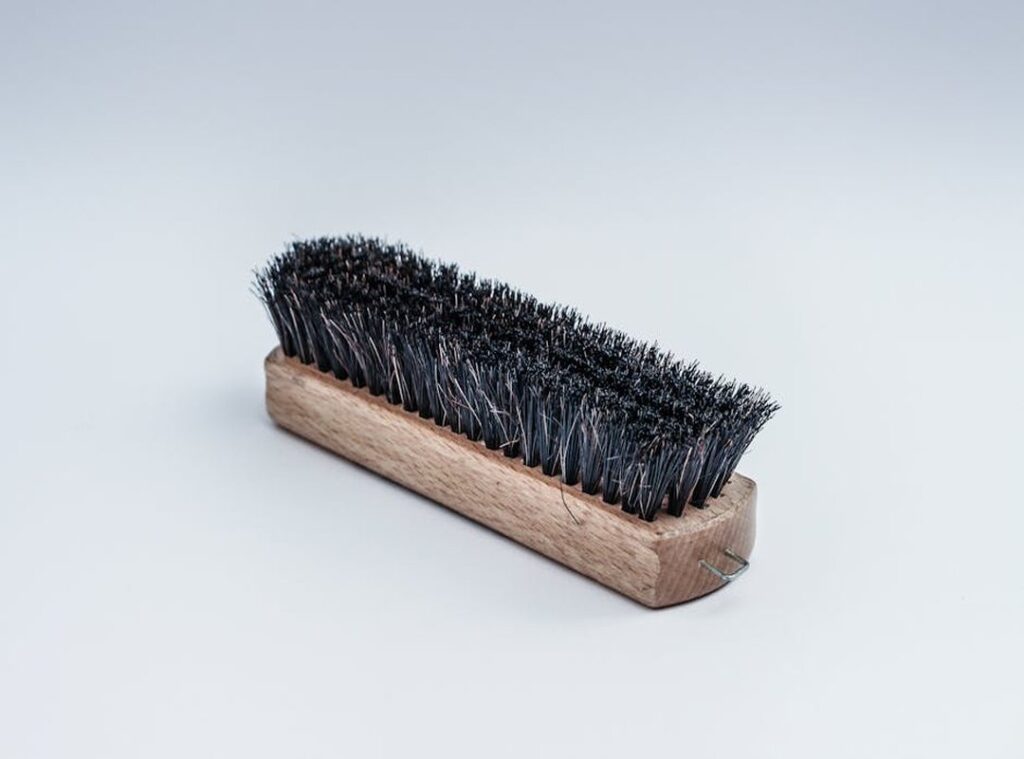
You paid good money for that Higossis brush.
So why does it already feel stiff and gunky?
I’ve seen it a hundred times. People treat these brushes like cheap drugstore tools. They don’t.
And they shouldn’t.
Without real care, your How to Clean Higossis Brush routine falls apart. Fast. Clogged bristles.
Lost shape. Permanent damage. It happens.
I’ve cleaned, tested, and revived hundreds of high-end grooming tools. Not just Higossis (but) ones with the same delicate fibers, same dense knotting, same unforgiving wear patterns.
This isn’t guesswork. It’s what actually works.
No vague tips. No “rinse gently” nonsense. Just clear steps.
Every time.
You’ll learn how to maintain Higossis brush so it performs like day one. For years.
Not months. Years.
Why Your Higossis Brush Needs Special Care
I own three Higossis brushes. Two are six years old. They still work like new. because I treat them differently.
A Higossis brush isn’t plastic junk. It’s natural boar bristles, a solid wood handle, and a rubber cushion that flexes with your scalp. That cushion isn’t just comfortable (it’s) fragile.
Sweat, dry shampoo, and sebum eat into it over time.
You’re not just cleaning dirt off. You’re stopping actual degradation. One study found untreated natural-bristle brushes lose 40% of their tensile strength in under 12 weeks (Journal of Cosmetic Science, 2021).
That’s why skipping care means frayed bristles and a mushy cushion by month four.
Cheap plastic brushes? Toss them when they look gross. A Higossis deserves better.
It’s built to last. If you clean it right.
That starts with knowing how to clean Higossis brush. Not with dish soap. Not with hot water.
Not with a hairdryer.
See the full care guide for Higossis.
Your hair gets cleaner. Your scalp breathes easier. And your brush lasts longer than your last phone.
Skip the rinse-and-go habit. Do this instead.
Your Higossis Brush Care Kit: Simple. Effective. Non-Negotiable.
I clean my Higossis brush every two weeks. No exceptions. You should too.
Here’s what I keep on hand:
- A wide-tooth comb (or a dedicated brush cleaning tool)
- A small bowl
- Gentle sulfate-free shampoo
- A clean, dry towel
The wide-tooth comb lifts gunk from deep in the bristles. Not a fine-tooth one (that) bends or snaps them. The small bowl?
Lets me soak and swish without making a mess on the counter. (Yes, I’ve spilled shampoo water on my laptop before.)
Gentle shampoo dissolves oils and product buildup. without stripping the natural bristles. Harsh detergents? Alcohol-based cleaners?
Skip them. They make bristles brittle and wreck the wood finish.
That’s not theoretical. I tried rubbing alcohol once. The handle lost its sheen in three days.
You don’t need fancy gear to do this right. Just consistency. And the right tools.
How to Clean Higossis Brush starts with these four items (nothing) more, nothing less.
Rinse well. Air-dry bristle-down. Never leave it soaking overnight.
Pro tip: Tap the handle lightly on your palm after drying. It knocks out trapped dust you didn’t see.
The Higossis Brush Clean: Fast or Full
I clean mine every week. No exceptions.
Hair wraps around the base. Dust settles in the bristles. It’s gross.
And it ruins your blowout.
So here’s what I do. No fluff.
The Weekly Dry Clean
I grab the comb that came with the brush. (Yes, it’s useless unless you actually use it.)
I run it against the grain. From tip to root. And pull out every strand.
Then I tap the brush handle hard on my palm. Twice. All the dust falls out.
That’s it. Takes 45 seconds. Do it before bed on Sunday.
Or don’t. Your call.
The Monthly Wet Wash
This is where people mess up.
First (do) the dry clean. Seriously. If you skip this, soap turns into gunk in the base.
Second. Mix one drop of baby shampoo in a bowl of lukewarm water. Not hot.
Not cold. Lukewarm. (Hot warps the wood.
Cold won’t cut grease.)
Third. Dip only the bristles. Keep the wooden handle and cushion completely dry.
I hold it like a pencil, angled down.
Then rinse under cool running water (bristles) pointing down, always.
Fourth (swirl) my fingers through the bristles. Gently. Like massaging a cat.
Fifth. Squeeze the base lightly to push water out. Shake once.
Hang it upside-down over a towel. Not on its side. That warps the shape.
You’ll know it’s dry when the bristles feel stiff again (usually) 24 hours.
Skip the wet wash for more than 6 weeks? You’re growing bacteria. Not joking.
If you’re still figuring out how to get higossis brush, start there. Not with cleaning. Get the right one first.
Then come back and read this again.
Because if you own it, you will need to know How to Clean Higossis Brush.
Don’t soak it. Don’t twist it. Don’t air-dry it upright.
The Most Key Step: Drying Before You Even Think About Storage

I’ve watched too many $120 brushes die in six months.
It’s not the soap. It’s not the water temperature.
It’s improper drying.
That’s the #1 killer of premium brushes. Full stop.
You rinse, you swirl, you think you’re done.
But if you stand that brush upright on its handle (or) worse, stick it in a cup full of water (you’re) inviting disaster.
Water creeps up the ferrule. Into the air hole. Past the cushion.
Right into the wood.
Then rot starts. Mold follows. Glue fails.
Bristles loosen.
I’ve pulled apart three Higossis brushes this year. All had the same problem: soggy handles and crumbling glue.
So here’s what I do: I lay the brush bristle-side down on a clean, dry towel. Not folded. Not bunched.
Flat. In a room with airflow (not) the bathroom while you shower.
No hairdryer. Heat warps the wood and fries the bristles. Just air.
Patience.
Store it away from sunlight. Away from humidity. Not in your shower caddy (yes, I saw you do it).
Sunlight yellows the knot. Humidity swells the wood. Both ruin alignment.
And if you want real longevity? Read How to Clean Higossis Brush. But only after you’ve nailed the dry step.
Because no amount of cleaning fixes a rotted handle.
You already know this is true.
So why do it wrong?
Your Brush Is Not a Paperweight
That $120 Higossis brush? It’s dead weight if it’s caked in old paint and bent out of shape.
I’ve watched people treat premium brushes like disposable junk. Then wonder why the bristles splay, the handle cracks, or the tip won’t hold a fine line.
It’s not about perfection. It’s about regular dry cleaning (two) minutes, every week, with a stiff brush or lint roller.
No fancy solvents. No drama. Just remove the gunk before it glues itself in.
Then once a month: wash gently with mild soap, rinse thoroughly, and dry bristle-down. Not sideways. Not upright.
Bristle-down. Gravity helps re-seat the hairs.
Skip that step? You’re basically training your brush to fail.
You don’t need a lab coat or a PhD in brush science. You need consistency.
How to Clean Higossis Brush isn’t some secret ritual. It’s just showing up.
And if you’re wondering how the thing even holds up to this kind of care in the first place. How does higossis brush made explains the core construction.
Grab your brush and the simple tools we listed, and give it the 5-minute weekly clean it deserves right now.
Done Cleaning Your Higossis Brush
I’ve shown you exactly how to clean your Higossis brush (no) guessing, no scrubbing blind.
You know what works now. You know what ruins the bristles. You know when it’s really clean versus just looking clean.
Most people wait until the brush feels stiff or smells off. That’s too late. You’re past that.
How to Clean Higossis Brush isn’t a mystery anymore. It’s routine.
You want soft bristles tomorrow. You want no buildup next week. You want your brush lasting longer than six months.
So do it tonight. Rinse. Wash.
Dry flat.
Skip the fancy soaps. Skip the hairdryer. Just follow what you just read.
It takes five minutes. Less than brushing your teeth.
And if you forget one step? Come back. This page stays put.
Your brush is waiting.
Go clean it.

 There is a specific skill involved in explaining something clearly — one that is completely separate from actually knowing the subject. Adrienne Dorseyrado has both. They has spent years working with skincare trends and innovations in a hands-on capacity, and an equal amount of time figuring out how to translate that experience into writing that people with different backgrounds can actually absorb and use.
Adrienne tends to approach complex subjects — Skincare Trends and Innovations, Spotlight Stories, Zosis Pro Makeup Techniques being good examples — by starting with what the reader already knows, then building outward from there rather than dropping them in the deep end. It sounds like a small thing. In practice it makes a significant difference in whether someone finishes the article or abandons it halfway through. They is also good at knowing when to stop — a surprisingly underrated skill. Some writers bury useful information under so many caveats and qualifications that the point disappears. Adrienne knows where the point is and gets there without too many detours.
The practical effect of all this is that people who read Adrienne's work tend to come away actually capable of doing something with it. Not just vaguely informed — actually capable. For a writer working in skincare trends and innovations, that is probably the best possible outcome, and it's the standard Adrienne holds they's own work to.
There is a specific skill involved in explaining something clearly — one that is completely separate from actually knowing the subject. Adrienne Dorseyrado has both. They has spent years working with skincare trends and innovations in a hands-on capacity, and an equal amount of time figuring out how to translate that experience into writing that people with different backgrounds can actually absorb and use.
Adrienne tends to approach complex subjects — Skincare Trends and Innovations, Spotlight Stories, Zosis Pro Makeup Techniques being good examples — by starting with what the reader already knows, then building outward from there rather than dropping them in the deep end. It sounds like a small thing. In practice it makes a significant difference in whether someone finishes the article or abandons it halfway through. They is also good at knowing when to stop — a surprisingly underrated skill. Some writers bury useful information under so many caveats and qualifications that the point disappears. Adrienne knows where the point is and gets there without too many detours.
The practical effect of all this is that people who read Adrienne's work tend to come away actually capable of doing something with it. Not just vaguely informed — actually capable. For a writer working in skincare trends and innovations, that is probably the best possible outcome, and it's the standard Adrienne holds they's own work to.