You’ve held a brush that just works.
Then you’ve held one that fights you.
I know the difference. And I’m tired of pretending it’s all the same.
How Does Higossis Brush Made isn’t just a question. It’s the reason you’re staring at your current brush, wondering why it sheds, sags, or feels cheap after three months.
I’ve watched these brushes get built. Not in a factory video. In real workshops.
With real hands. Over real weeks.
They test every knot. Every ferrule. Every hair bundle.
Twice.
No shortcuts. No substitutions. Just material science and stubborn tradition.
You’ll see exactly where the time goes. Where the cost lives. Why some brushes last years and others don’t last a season.
This isn’t marketing talk. It’s what happens when you stand next to the workbench and ask questions until someone shows you the truth.
Let’s go step by step.
The Foundation: Wood, Bristles, and Zero Compromises
I pick ash for handles. Not because it’s trendy. Because it bends without breaking.
Its grain locks into the ferrule like a handshake you can trust.
Birch? Lighter. Tighter grain.
Better for smaller hands. Less fatigue after twenty minutes of blending.
You don’t need fancy wood. You need wood that won’t splinter when you press hard. That’s non-negotiable.
Natural bristles come from wild boar (ethically) sourced, not farmed. Their microscopic scales hold product like tiny sponges. Not magic.
Just physics.
But wild boar isn’t consistent. One brush might hold cream better than another. That’s why we also use advanced synthetics.
These aren’t cheap plastic fibers. They’re extruded with split ends. Engineered to mimic scale structure.
Same pickup. Same release. Every time.
No animals involved. No batch-to-batch guessing.
I’ve watched brushes fail because someone cut corners on bristle density. Or used rubberized glue that degrades in humidity.
That’s why Higossis starts before the first stroke is made. With raw material vetting. With weight tests.
With grain inspection under magnification.
How Does Higossis Brush Made? It starts here. With refusal to accept “good enough.”
Synthetics win for consistency. Naturals win for tactile response. I use both.
Not to hedge. To serve different needs.
Pro tip: If your brush sheds after two weeks, the bristle bond failed. Not your technique.
Ash handles age gracefully. Birch stays stiff. Neither warps in steamy bathrooms.
We reject 12% of incoming wood lots. Every time.
No exceptions.
Shaping the Form: The Handle’s First Breath
I grab the raw block of maple. It’s rough. Heavy.
Smells like sawdust and forest floor.
Then I mount it on the lathe.
The wood spins. I press the gouge in (slow,) steady, listening for that clean shush sound. Not a squeal.
Not a chatter. Just shush. That’s when I know the shape is right.
Ergonomics aren’t theory here. They’re feel. Thumb groove depth?
I test it with my own hand mid-turn. Palm swell? Too much and it slips.
Too little and your wrist aches after ten minutes.
You ever hold a brush that fights you? Yeah. That’s what happens when someone skips this step.
Sanding starts at 80 grit. Gritty. Aggressive.
I knock down the tool marks fast.
Then 120. Then 180. Then 220.
You can read more about this in How to Clean Higossis Brush.
Each pass removes the scratches left by the one before.
By 400 grit, the wood stops looking worked. It starts looking alive.
At 600 grit, it’s almost slick. At 1000? You forget it’s wood.
You think it’s warm stone.
Then comes the sealant. Food-grade walnut oil (non-toxic,) hand-rubbed, no machines. I use my palm. Not a rag.
My skin knows when it’s soaked in, when it’s time to wipe off the excess.
It soaks in. Dries overnight. Repeats.
Three times.
The final handle? Balanced. Not heavy in the head, not light in the hand.
Warm to the touch. Even in winter.
Designed for control, yes. But mostly for comfort you don’t notice until it’s gone.
How Does Higossis Brush Made? One turn. One grit.
One rub at a time.
Skip a step? You’ll feel it in your thumb joint by lunchtime.
Pro tip: If the oil beads instead of soaking in, your sanding wasn’t fine enough. Go back to 400. Don’t rush it.
The Heart of the Brush: Knotting and Setting the Bristles
This is where Higossis brushes earn their reputation.
It’s the most key step. Also the hardest to get right.
I’ve watched knotting done wrong. Bristles splayed, tips uneven, glue bleeding everywhere. It ruins the brush before it even touches water.
Knotting means gathering exactly the right number of bristles. Not one more. Not one less.
Then I tap them (gently) — on a flat surface until every tip lines up flush. That alignment isn’t cosmetic. It’s functional.
It controls lather release.
Next, I bundle them tight. Not loose. Not forced.
Tight enough that the knot holds its shape without slipping.
That knot goes into the ferrule. Not with heat or glue pellets. Those melt.
They fail. They shed.
I use a high-strength, waterproof epoxy. It bonds deep. It stays put.
It survives hot water, cold water, daily scrubbing.
While the epoxy cures, I shape the knot by hand. Fanned. Domed.
Rounded. Whatever the brush needs.
That shaping locks in performance. It’s not just about looks. It’s how the brush loads, releases, and flexes.
Cheap brushes skip this. They slap in glue and call it done. You feel the difference in three weeks.
Shedding? Minimal. With proper care, these brushes last years.
Which brings me to maintenance. If you want that longevity, you need to know How to Clean Higossis Brush.
I don’t rinse and toss. I massage the base. I dry bristle-down.
I avoid direct heat.
This whole process answers the question: How Does Higossis Brush Made?
It’s not magic. It’s precision. Repetition.
Patience.
And yes (it’s) worth the wait.
Most people don’t realize how much time goes into one knot.
I do it 12 times before breakfast.
The knot is the brush. Everything else is support.
Final Check: No Brush Leaves Without Passing My Eye
I hold every brush. Not metaphorically. Literally.
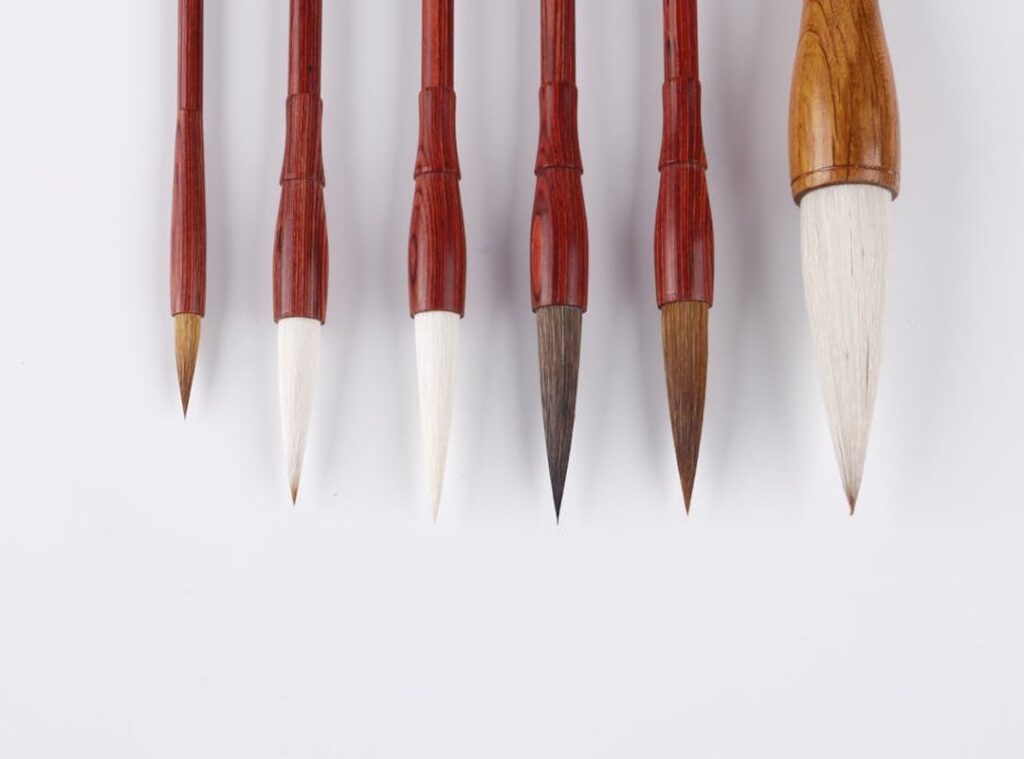
Bristles must line up like soldiers. No splay. No weak spots.
If one bristle bends wrong, it’s back to the bench.
The handle? I run my thumb over it. Any rough patch means sanding again.
Structural integrity isn’t a buzzword (it’s) what keeps the brush from snapping in your hand mid-stroke.
Then comes the logo. Laser-engraved. Permanent.
Not printed. Not stuck on. Burned in.
Final cleaning happens after engraving. Because dust sticks to heat marks. And yes.
I wipe it again before packaging.
You think that’s overkill? Try using a brush with leftover residue on day one.
This is how quality control earns its name.
How Does Higossis Brush Made? It starts long before the box closes.
If you want to know what goes into each handle and bristle, check out What Are Higossis.
Feel the Difference in Your Hand
I watched a block of wood become a brush. I saw raw bristles shaped by hand. Not machine.
I felt the weight shift, the balance lock in, the moment it stopped being parts and started being tools.
That’s How Does Higossis Brush Made. Not fast. Not cheap.
Not outsourced to a spec sheet.
You’ve tried brushes that slip. That shed. That leave streaks no matter how hard you work.
That’s not your technique. It’s the tool lying to you.
A good brush doesn’t ask for forgiveness.
It answers every stroke with control.
You deserve that. Not someday. Now.
Go pick one up. Feel the grain. Test the flex.
See if your hands finally agree with your eyes.
The first stroke tells you everything.
Try it.

 There is a specific skill involved in explaining something clearly — one that is completely separate from actually knowing the subject. Adrienne Dorseyrado has both. They has spent years working with skincare trends and innovations in a hands-on capacity, and an equal amount of time figuring out how to translate that experience into writing that people with different backgrounds can actually absorb and use.
Adrienne tends to approach complex subjects — Skincare Trends and Innovations, Spotlight Stories, Zosis Pro Makeup Techniques being good examples — by starting with what the reader already knows, then building outward from there rather than dropping them in the deep end. It sounds like a small thing. In practice it makes a significant difference in whether someone finishes the article or abandons it halfway through. They is also good at knowing when to stop — a surprisingly underrated skill. Some writers bury useful information under so many caveats and qualifications that the point disappears. Adrienne knows where the point is and gets there without too many detours.
The practical effect of all this is that people who read Adrienne's work tend to come away actually capable of doing something with it. Not just vaguely informed — actually capable. For a writer working in skincare trends and innovations, that is probably the best possible outcome, and it's the standard Adrienne holds they's own work to.
There is a specific skill involved in explaining something clearly — one that is completely separate from actually knowing the subject. Adrienne Dorseyrado has both. They has spent years working with skincare trends and innovations in a hands-on capacity, and an equal amount of time figuring out how to translate that experience into writing that people with different backgrounds can actually absorb and use.
Adrienne tends to approach complex subjects — Skincare Trends and Innovations, Spotlight Stories, Zosis Pro Makeup Techniques being good examples — by starting with what the reader already knows, then building outward from there rather than dropping them in the deep end. It sounds like a small thing. In practice it makes a significant difference in whether someone finishes the article or abandons it halfway through. They is also good at knowing when to stop — a surprisingly underrated skill. Some writers bury useful information under so many caveats and qualifications that the point disappears. Adrienne knows where the point is and gets there without too many detours.
The practical effect of all this is that people who read Adrienne's work tend to come away actually capable of doing something with it. Not just vaguely informed — actually capable. For a writer working in skincare trends and innovations, that is probably the best possible outcome, and it's the standard Adrienne holds they's own work to.