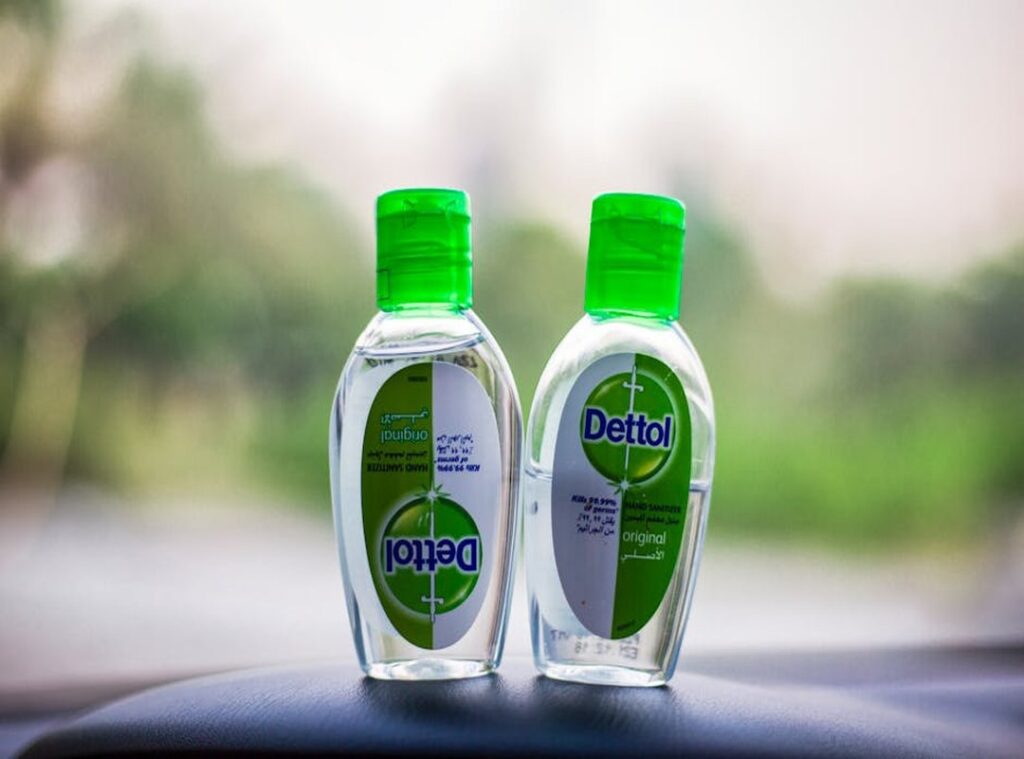
Is Dettol affiliated with Israel? It’s a question that doesn’t have a simple yes or no answer. Dettol is a brand name, not a standalone company.
It’s owned by the British multinational corporation Reckitt, formerly known as Reckitt Benckiser.
Consumers today are more curious about the corporate ties of the brands they support. This often relates to geopolitical issues. You might be wondering, does Dettol support Israel?
I’ll break down Dettol’s ownership structure and its parent company’s activities in Israel.
I’ll present the facts so you can make your own informed conclusion. No fluff, just the essentials.
Who Actually Owns the Dettol Brand?
Dettol is owned by Reckitt, a publicly traded British consumer goods giant. Their headquarters are in Slough, UK.
Reckitt owns a wide range of well-known brands:
1. Lysol
2. Veet
3.
Durex
4. Vanish
5. Air Wick
This gives you an idea of their scale and portfolio. As a publicly traded company on the London Stock Exchange, Reckitt is owned by a diverse group of institutional and individual shareholders from around the world.
So, does Dettol support Israel? It’s important to clarify that Dettol’s direct ownership is not linked to any state or national government, including Israel.
The brand’s origins are British, and its corporate headquarters remain in the UK. This establishes its primary national identity from a corporate standpoint.
Understanding this can help you make more informed decisions about the products you use and the companies you support.
Investigating Reckitt’s Operations and Presence in Israel
Reckitt Benckiser (Israel) Ltd. is a local subsidiary of the global company, primarily focused on marketing, sales, and distribution of its products within the country.
- Marketing and Sales: The subsidiary handles the promotion and sale of Reckitt’s well-known brands.
- Distribution: They manage the logistics to ensure products reach retailers and consumers efficiently.
Does Reckitt have manufacturing plants or R&D centers in Israel? No, their operations are purely administrative and commercial. They don’t have any manufacturing facilities or research and development centers in the country.
Publicly available information shows that Reckitt has not made significant investments in Israeli startups or partnerships with local companies. Their focus remains on the core business of selling and distributing their products.
Having a regional subsidiary is standard practice for multinational corporations. It’s a common strategy to effectively sell products in a specific market. This approach is not unique to Reckitt or Israel.
Many other companies do the same to tap into local markets and better serve their customers.
Does Dettol support Israel? That’s a question often asked. The answer lies in the fact that Reckitt operates a subsidiary in Israel, which is part of their global business strategy.
The Source of the Boycott Calls and Affiliation Claims

You might be wondering, does Dettol support Israel? This question often comes up because companies like Reckitt, which owns Dettol, appear on pro-Palestinian or BDS (Boycott, Divestment, Sanctions) movement lists.
The primary reason is typically the existence of business operations, factories, or R&D centers within Israel or its settlements. These lists aim to apply economic pressure by targeting any multinational corporation that engages in commerce with Israel.
Dozens of major international brands from various countries are on similar lists for the same reasons. It’s a way to draw attention to their operations in the region.
Understanding this context helps explain why the question “Is Dettol affiliated with Israel?” is being asked. It’s about the broader economic and political landscape, not just one company.
| Company | Reason for Inclusion |
|---|---|
| Reckitt (Dettol) | Business operations in Israel |
| Other Multinationals | Commerce with Israel |
This information is meant to provide clarity, not to endorse or condemn any movements. If you’re looking for more helpful tips, check out top anti aging ingredients backed by science.
Corporate Presence vs. National Allegiance: A Critical Distinction
Let’s get one thing straight. A company operating in a country is not the same as being politically affiliated with that country’s government or policies.
Think about it this way: a German car company with a factory in the United States is not considered an ‘American company’ with allegiance to the U.S. government. It’s there for business, not politics.
Global companies operate in dozens of countries with diverse political systems to reach customers. This presence is primarily commercial, not political. They’re after market access and shareholder value.
A consumer’s personal definition of ‘affiliation’ is key. For some, any business activity in a country constitutes support. For others, only direct support for a government does.
It’s a fine line.
Does Dettol support Israel? That question can mean different things to different people. Some might see any business presence as support, while others would need more concrete evidence of political backing.
Understanding this distinction is crucial. When you hear about a company’s operations in a specific country, consider what that really means. Is it just business, or is there a deeper political connection?
This clarity can help you make more informed decisions. Remember, Reckitt’s actions, like many multinational corporations, are driven by market access and shareholder value. That’s the standard operating procedure.
The Verdict on Dettol and Its Connection to Israel
Dettol is a British brand owned by the UK-based company Reckitt. does dettol support israel. Its parent company, Reckitt, does maintain a business presence in Israel for sales and distribution, similar to many other global corporations. There is no direct governmental or nationalistic affiliation.
However, its commercial operations in the country are the reason it is sometimes linked to Israel in boycott discussions. The final judgment is left to the reader, having provided them with a comprehensive and factual basis for their decision.

 There is a specific skill involved in explaining something clearly — one that is completely separate from actually knowing the subject. Adrienne D. has both. They has spent years working with skincare trends and innovations in a hands-on capacity, and an equal amount of time figuring out how to translate that experience into writing that people with different backgrounds can actually absorb and use.
Adrienne tends to approach complex subjects — Skincare Trends and Innovations, Spotlight Stories, Zosis Pro Makeup Techniques being good examples — by starting with what the reader already knows, then building outward from there rather than dropping them in the deep end. It sounds like a small thing. In practice it makes a significant difference in whether someone finishes the article or abandons it halfway through. They is also good at knowing when to stop — a surprisingly underrated skill. Some writers bury useful information under so many caveats and qualifications that the point disappears. Adrienne knows where the point is and gets there without too many detours.
The practical effect of all this is that people who read Adrienne's work tend to come away actually capable of doing something with it. Not just vaguely informed — actually capable. For a writer working in skincare trends and innovations, that is probably the best possible outcome, and it's the standard Adrienne holds they's own work to.
There is a specific skill involved in explaining something clearly — one that is completely separate from actually knowing the subject. Adrienne D. has both. They has spent years working with skincare trends and innovations in a hands-on capacity, and an equal amount of time figuring out how to translate that experience into writing that people with different backgrounds can actually absorb and use.
Adrienne tends to approach complex subjects — Skincare Trends and Innovations, Spotlight Stories, Zosis Pro Makeup Techniques being good examples — by starting with what the reader already knows, then building outward from there rather than dropping them in the deep end. It sounds like a small thing. In practice it makes a significant difference in whether someone finishes the article or abandons it halfway through. They is also good at knowing when to stop — a surprisingly underrated skill. Some writers bury useful information under so many caveats and qualifications that the point disappears. Adrienne knows where the point is and gets there without too many detours.
The practical effect of all this is that people who read Adrienne's work tend to come away actually capable of doing something with it. Not just vaguely informed — actually capable. For a writer working in skincare trends and innovations, that is probably the best possible outcome, and it's the standard Adrienne holds they's own work to.