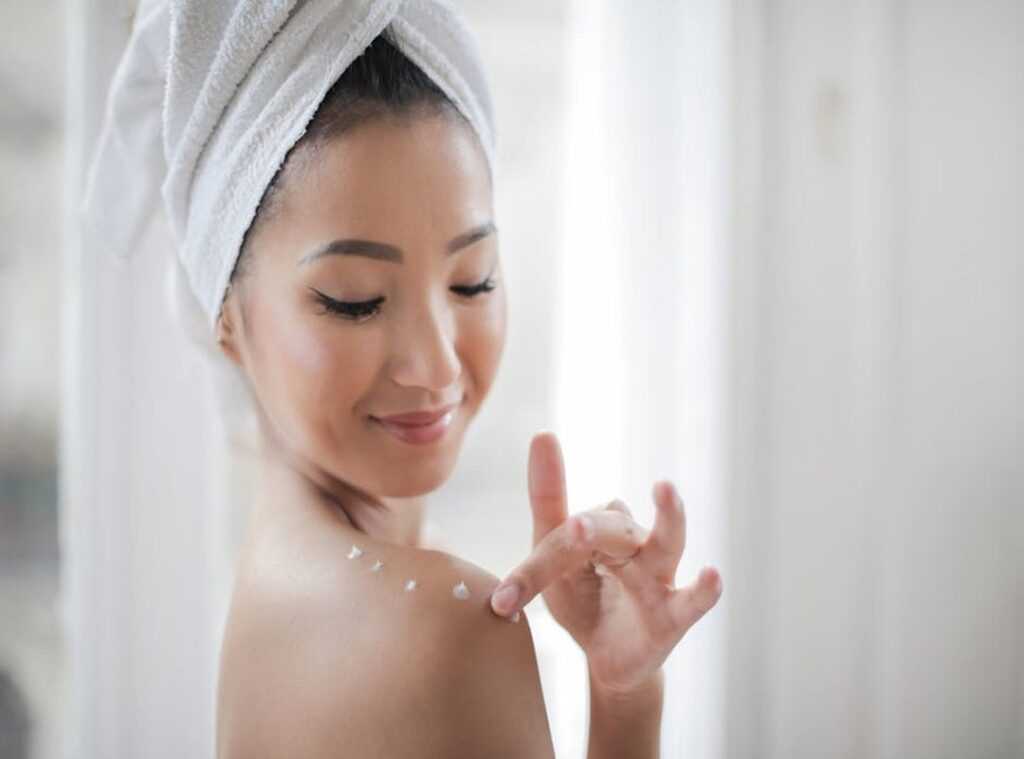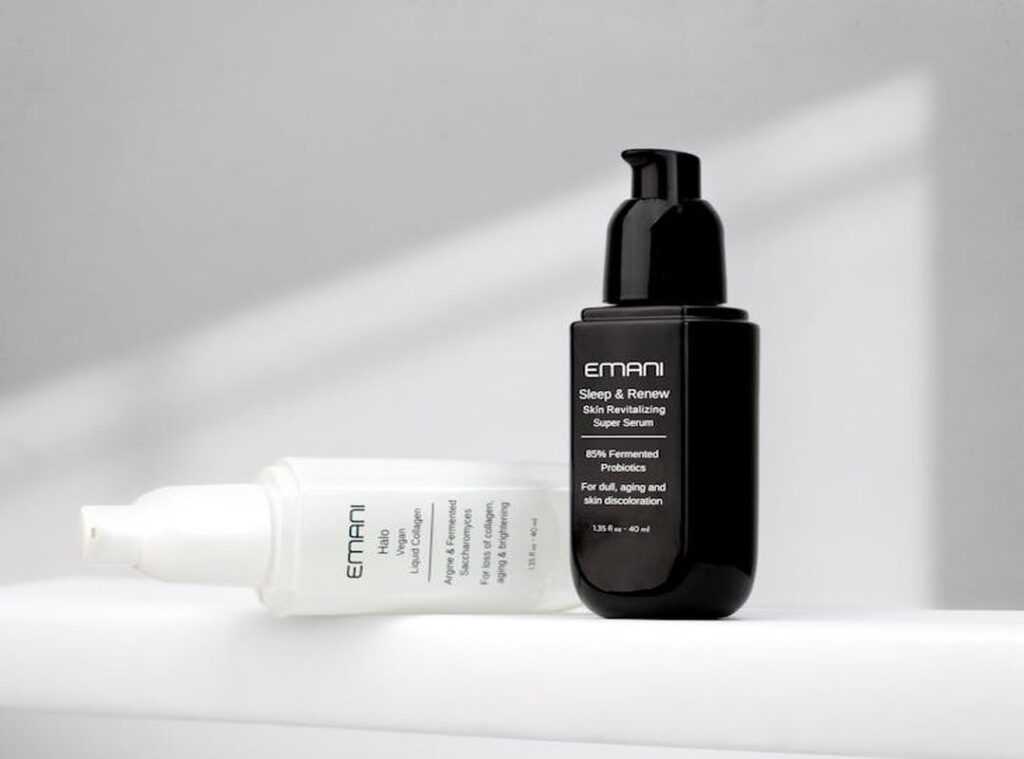

If you’ve been searching for a step-by-step guide to achieving a smooth, long-lasting complexion, this flawless makeup base tutorial is designed with you in mind. Whether you’re struggling with uneven texture, foundation that separates midday, or makeup that simply doesn’t photograph well, the right base routine makes all the difference.
In this article, we break down the essential prep, product layering order, and pro blending techniques that create a seamless finish. From skincare priming rituals to foundation matching and setting strategies, every step is tailored to help you build a base that enhances—not masks—your natural skin.
To ensure accuracy and effectiveness, we’ve referenced professional makeup techniques, backstage artist tips, and current skincare-driven beauty trends that prioritize skin health and performance. The result is a practical, expert-informed guide that helps you achieve a radiant, camera-ready complexion with confidence.
The Foundation of Your Foundation: Skin Preparation as a Non-Negotiable First Step
“My foundation looks patchy by noon,” a friend once complained, holding up her compact like it had personally betrayed her. A makeup artist responded bluntly: “It’s not your foundation. It’s your prep.”
That’s the part many people skip. And yet, makeup can only be as smooth as the skin underneath. Dry patches (areas where skin lacks moisture and flakes) and excess oil (overproduction of sebum, your skin’s natural oil) are the primary culprits behind uneven texture. Some argue a good primer should fix everything. However, primer isn’t spackle. It enhances—it doesn’t replace proper skin care.
Step 1: Cleansing for a Clean Slate
First, cleanse. Overnight oils, sweat, and leftover skincare create a film that disrupts application. “Clean, not squeaky,” as one esthetician put it. Stripping the skin triggers more oil production (your skin panics and overcompensates). So use a gentle cleanser that refreshes without tightness.
Step 2: Gentle Exfoliation
Next, exfoliate—but thoughtfully. Physical exfoliants are scrubs that manually slough off dead cells. Chemical exfoliants, like glycolic acid toners, dissolve the bonds holding dead skin in place. Dermatologists note that alpha hydroxy acids improve texture over time (American Academy of Dermatology). Oily skin may exfoliate 2–3 times weekly; sensitive skin, once weekly. Overdoing it? That’s a fast track to irritation.
Step 3: Hydration Is Key
Then comes hydration. Humectants like hyaluronic acid attract water into the skin, while moisturizers seal it in. Think sponge versus lid. Plump skin equals smoother makeup.
Finally, wait 5–10 minutes before makeup to prevent pilling. Even the best flawless makeup base tutorial can’t outwork impatience.
Bridging the Gap: How to Choose and Apply the Perfect Primer
First things first: primer isn’t “extra.” It acts as a barrier layer (a protective shield between skincare and makeup) and a texture corrector (meaning it smooths pores, fine lines, or uneven tone). Think of it like double-sided tape—helping makeup stick while protecting what’s underneath. Without it, foundation can sink into pores or cling to dry patches.
Match Your Primer to Your Skin
Use this quick guide:
| Skin Concern | Primer Type | Why It Works |
|---|---|---|
| Oily / Large Pores | Silicone-based blurring |
Smooths texture, controls shine |
| Dry / Dull | Hydrating, luminous | Adds moisture and glow | |
|---|---|---|---|
| Makeup Fades Fast | Gripping primer | Increases longevity | |
| Area | Tool | Why It Matters |
—————-|
| Under eyes | Small puff | Prevents creasing |
| T-zone | Sponge | Controls oil |
Setting powder locks makeup; finishing powder blurs texture. Use minimal product—tap, don’t swipe.
Mist setting spray last to melt powders and extend wear. This step completes your flawless makeup base tutorial.
Ready for Your Most Radiant Look Yet?
You came here wanting a clear, step-by-step way to perfect your base—and now you have it. From skin prep to product layering and seamless blending, you’ve seen how the right techniques transform uneven texture, dullness, and makeup that never seems to last.
A smooth, long-wearing base isn’t about piling on more product. It’s about using the right methods in the right order. When you follow a proven flawless makeup base tutorial, you eliminate creasing, patchiness, and midday shine before they even start.
If you’re tired of foundation separating, pores peeking through, or your glow fading too fast, it’s time to upgrade your routine. Explore more pro-backed beauty rituals, trending techniques, and curated expert collections designed to elevate your everyday glam.
Join thousands of beauty lovers who trust our expert guides to refine their skills and achieve camera-ready results. Start mastering your base today—discover the next tutorial and transform your makeup game now.

 Anna P. is the kind of writer who genuinely cannot publish something without checking it twice. Maybe three times. They came to skincare trends and innovations through years of hands-on work rather than theory, which means the things they writes about — Skincare Trends and Innovations, Spotlight Stories, Zosis Pro Makeup Techniques, among other areas — are things they has actually tested, questioned, and revised opinions on more than once.
That shows in the work. Anna's pieces tend to go a level deeper than most. Not in a way that becomes unreadable, but in a way that makes you realize you'd been missing something important. They has a habit of finding the detail that everybody else glosses over and making it the center of the story — which sounds simple, but takes a rare combination of curiosity and patience to pull off consistently. The writing never feels rushed. It feels like someone who sat with the subject long enough to actually understand it.
Outside of specific topics, what Anna cares about most is whether the reader walks away with something useful. Not impressed. Not entertained. Useful. That's a harder bar to clear than it sounds, and they clears it more often than not — which is why readers tend to remember Anna's articles long after they've forgotten the headline.
Anna P. is the kind of writer who genuinely cannot publish something without checking it twice. Maybe three times. They came to skincare trends and innovations through years of hands-on work rather than theory, which means the things they writes about — Skincare Trends and Innovations, Spotlight Stories, Zosis Pro Makeup Techniques, among other areas — are things they has actually tested, questioned, and revised opinions on more than once.
That shows in the work. Anna's pieces tend to go a level deeper than most. Not in a way that becomes unreadable, but in a way that makes you realize you'd been missing something important. They has a habit of finding the detail that everybody else glosses over and making it the center of the story — which sounds simple, but takes a rare combination of curiosity and patience to pull off consistently. The writing never feels rushed. It feels like someone who sat with the subject long enough to actually understand it.
Outside of specific topics, what Anna cares about most is whether the reader walks away with something useful. Not impressed. Not entertained. Useful. That's a harder bar to clear than it sounds, and they clears it more often than not — which is why readers tend to remember Anna's articles long after they've forgotten the headline.