Beauty trends move fast—but knowing which ones actually work for your skin, features, and routine is what really matters. If you’re searching for practical guidance on today’s most talked-about looks, skincare rituals, and pro-level makeup techniques, this article breaks it all down in a clear, usable way. We explore what’s trending, why it’s gaining attention, and how to adapt it realistically—without falling into the pressure of Bold on social media beauty standards.
From ingredient-focused skincare insights to step-by-step makeup methods used by professionals, every recommendation is grounded in research and expert input from dermatologists, estheticians, and working makeup artists. We analyze emerging beauty conversations, test popular techniques, and evaluate product claims so you don’t have to.
Whether you want to refine your routine, experiment with a new look, or understand the latest industry shifts, you’ll find thoughtful, experience-backed insights designed to help you make confident, informed beauty choices.
The Digital Mirror: How Society Shapes Online Beauty
Every scroll feels personal, but it’s powered by history. The digital mirror reflects centuries-old ideals—fairness creams, body sculpting, status symbols—repackaged into viral reels. Understanding this connection to social media beauty standards gives you an edge. Instead of chasing every trend, you see the cultural and economic forces behind it (and save money and sanity).
When you recognize how heritage, class signals, and celebrity culture shape what goes viral, you gain choice. You curate feeds with intention. You adopt rituals that serve you. Awareness turns pressure into perspective—and perspective is power. That clarity strengthens confidence in your own beauty narrative today.
The Foundation: How Traditional Norms Became Digital Standards
Long before filters and ring lights, beauty ideals were curated by magazines, Hollywood casting rooms, and luxury ad campaigns. These outlets elevated specific traits—Eurocentric features, slim bodies, youthfulness—as markers of status and desirability. In other words, beauty was never neutral; it reflected class, ethnicity, and gender hierarchies baked into culture. Glossy covers didn’t just sell lipstick—they sold aspiration (and often exclusion).
As platforms like Instagram emerged, they didn’t invent new ideals overnight. Instead, they digitized old ones. Early influencers mirrored runway looks and celebrity aesthetics, turning traditional standards into algorithms. What performed well offline performed well online. That continuity quietly shaped social media beauty standards into something familiar, just faster and more amplified.
Consider the obsession with “perfect” skin. Historically, clear skin symbolized youth and health. Digitally, that value evolved into “glass skin”—poreless, luminous, almost reflective. Editing apps and smoothing filters industrialized flawlessness. But here’s the question: when everyone looks airbrushed, who benefits?
Today, global creators are challenging Western dominance, spotlighting diverse skin tones, facial structures, and rituals. Still, I recommend curating your feed intentionally. Follow artists who celebrate texture, culture, and realism. Pro tip: limit filter use weekly to recalibrate your perception. Beauty evolves—so should your lens.
The Amplifier Effect: Social Media as a Trend Accelerator
Algorithms are not neutral observers; they are engagement engines. In practice, that means content that confirms familiar ideals—clear skin, symmetrical features, sculpted cheekbones—travels faster than content that challenges them. As a result, feeds become echo chambers, reinforcing social media beauty standards while sidelining nuance. For users, the benefit is speed: inspiration arrives instantly. The downside, however, is sameness.
Consider how a niche look—say, a bold editorial blush placement from drag culture—moves from subculture to mainstream. First, early adopters post. Next, mid-tier creators replicate it. Then, algorithms detect rising watch time and push simplified tutorials globally. Context fades; aesthetics remain. Consequently, what began as self-expression becomes a template.
Meanwhile, professional techniques like contouring and baking—once backstage secrets for stage lights and high-definition cameras—turn into everyday “rules.” Tutorials break them into step-by-step formulas, which lowers the barrier to entry and boosts product sales. The benefit is accessibility; the trade-off is rigidity. Is there only one correct way to sculpt a face?
Finally, top-tier influencers codify trends through affiliate links, brand deals, and signature routines. By naming a look and packaging it with specific shades and tools, they transform aesthetics into repeatable purchases. In turn, platforms reward that consistency, accelerating visibility and profit. The cycle continues, amplifying what already fits dominant tastes and quietly filtering out the rest, even as creativity persists at the margins. This dynamic shapes aspiration, purchasing behavior, and ultimately how beauty is publicly defined. Across screens worldwide daily. Now.
The Pushback: Authenticity and Diversity as Counter-Movements

For years, beauty felt like a members-only club. Airbrushed skin, symmetrical features, one-note body types. Yet, in response, powerful counter-movements have taken root. Skin positivity (the acceptance of acne, texture, and hyperpigmentation as normal skin conditions), body neutrality (valuing the body for function over appearance), and the celebration of ethnic features—like natural hair textures and diverse nose shapes—are actively dismantling monolithic ideals.
Critics argue these movements are just trends repackaged for engagement. However, that view overlooks something deeper: this shift isn’t about aesthetics alone; it’s about agency. When creators post bare-faced selfies, visible stretch marks, or avant-garde makeup that defies symmetry, they aren’t chasing virality—they’re reclaiming narrative control. In a digital world shaped by social media beauty standards, showing “imperfections” becomes an act of subversion (and sometimes quiet rebellion).
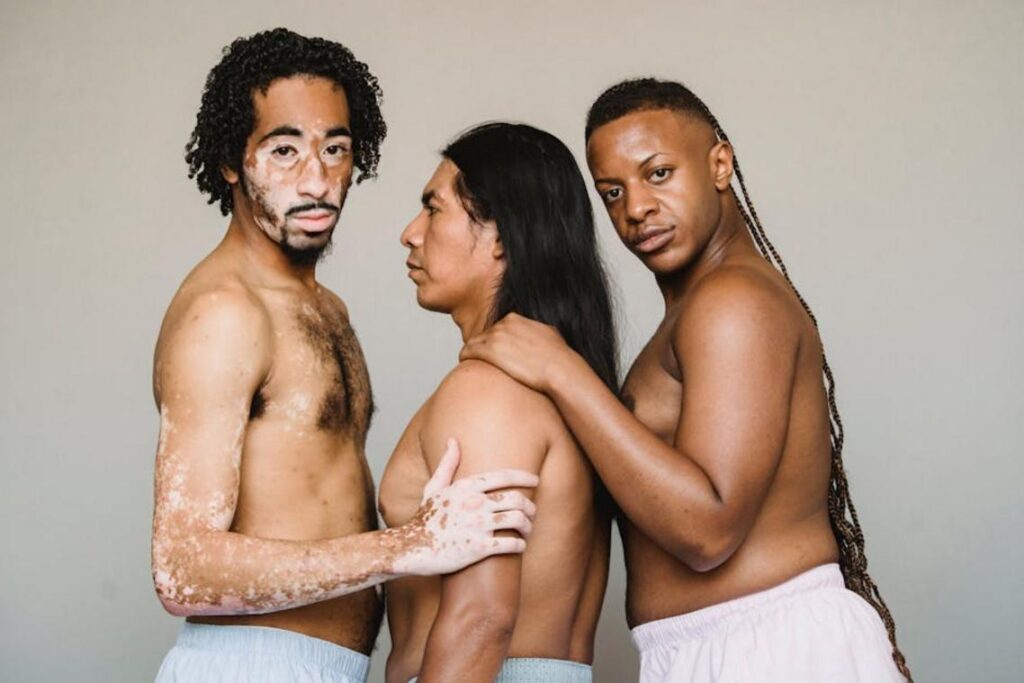
Moreover, social platforms enable micro-communities to flourish. Hashtags connect users across continents, forming safe spaces where alternative norms thrive away from algorithmic pressure. Someone embracing vitiligo or alopecia can now find representation instantly. That access to community—often ignored by competitors—is the real catalyst for cultural change.
Meanwhile, brands have noticed. Campaigns increasingly feature unretouched photography, diverse age ranges, and models with visible texture. Skeptics say it’s performative. Sometimes it is. Yet market data from McKinsey shows consumers are more likely to purchase from brands that demonstrate inclusive values (2023). Authenticity, in other words, sells.
If you’re curious how these shifts move from niche to mainstream, explore from runway to real life how trends are born. Pro tip: the real power isn’t in perfection—it’s in participation.
Navigating the Future
I used to chase every algorithm shift, convinced visibility meant value. When posts flopped, I blamed myself instead of the system. The truth? The evolving algorithm increasingly rewards diverse, inclusive content as user demand broadens (see reports from Meta and TikTok, 2024). I learned to create with intention, not panic.
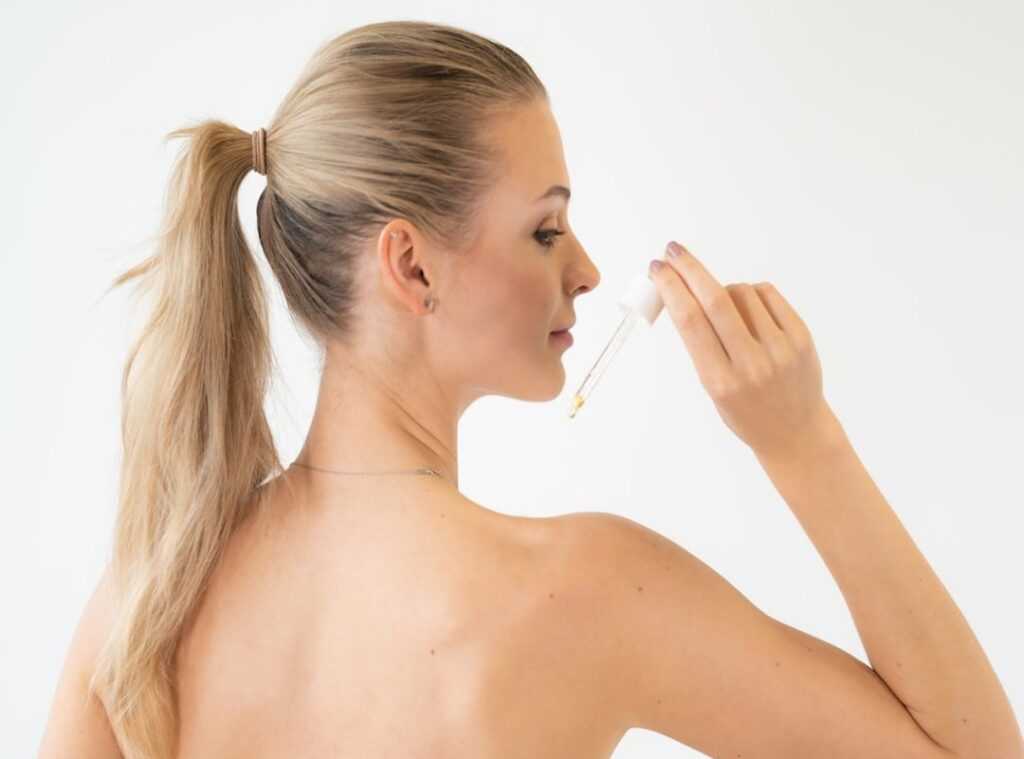
Skincare became my reset. Instead of trend-chasing, I built a simple ritual—cleanse, treat, protect—focused on barrier health.
- Audit your feed monthly; unfollow accounts that reinforce social media beauty standards and follow creators who expand your definition of beauty.
Curate consciously; your peace depends on it daily.
Redefining Beauty, One Post at a Time
Social media beauty standards shape what we see, like, and buy, but they are not unbreakable rules. Algorithms—the coded systems that decide what appears in your feed—often amplify narrow ideals. Understanding this helps you pause before comparing. Ask yourself: Does this trend serve me? Or am I serving it?
Choose rituals that feel grounding and practical:
- Follow creators with diverse features and budgets.
- Curate your feed weekly; unfollow what triggers self-doubt.
- Experiment with techniques before purchasing products.
Beauty becomes empowering when you define it for yourself, not the algorithm.
Redefining Beauty on Your Terms
You came here looking for clarity—real insight into beauty rituals, skincare trends, and pro makeup techniques that actually work in today’s fast-moving world. Now you have the tools to filter what’s hype from what’s helpful and to build a routine that enhances your features instead of chasing every trend.
The pressure of Bold on social media beauty standards can make it feel like you’re constantly behind, constantly not enough. That cycle is exhausting—and expensive. The truth is, beauty should feel empowering, not overwhelming.
The key is intention. Choose expert-backed techniques. Invest in skincare that supports your skin long-term. Experiment with trends that align with your identity—not ones that erase it.
If you’re ready to stop second-guessing your routine and start feeling confident in the mirror, explore our curated beauty guides and trend breakdowns today. Thousands of readers rely on us for trusted, expert-driven insights that cut through the noise. Dive in now and discover a smarter, more confident way to own your beauty.

 Richard W. has opinions about zosis pro makeup techniques. Informed ones, backed by real experience — but opinions nonetheless, and they doesn't try to disguise them as neutral observation. They thinks a lot of what gets written about Zosis Pro Makeup Techniques, Expert Collections, Beauty Hacks and Routine Upgrades is either too cautious to be useful or too confident to be credible, and they's work tends to sit deliberately in the space between those two failure modes.
Reading Richard's pieces, you get the sense of someone who has thought about this stuff seriously and arrived at actual conclusions — not just collected a range of perspectives and declined to pick one. That can be uncomfortable when they lands on something you disagree with. It's also why the writing is worth engaging with. Richard isn't interested in telling people what they want to hear. They is interested in telling them what they actually thinks, with enough reasoning behind it that you can push back if you want to. That kind of intellectual honesty is rarer than it should be.
What Richard is best at is the moment when a familiar topic reveals something unexpected — when the conventional wisdom turns out to be slightly off, or when a small shift in framing changes everything. They finds those moments consistently, which is why they's work tends to generate real discussion rather than just passive agreement.
Richard W. has opinions about zosis pro makeup techniques. Informed ones, backed by real experience — but opinions nonetheless, and they doesn't try to disguise them as neutral observation. They thinks a lot of what gets written about Zosis Pro Makeup Techniques, Expert Collections, Beauty Hacks and Routine Upgrades is either too cautious to be useful or too confident to be credible, and they's work tends to sit deliberately in the space between those two failure modes.
Reading Richard's pieces, you get the sense of someone who has thought about this stuff seriously and arrived at actual conclusions — not just collected a range of perspectives and declined to pick one. That can be uncomfortable when they lands on something you disagree with. It's also why the writing is worth engaging with. Richard isn't interested in telling people what they want to hear. They is interested in telling them what they actually thinks, with enough reasoning behind it that you can push back if you want to. That kind of intellectual honesty is rarer than it should be.
What Richard is best at is the moment when a familiar topic reveals something unexpected — when the conventional wisdom turns out to be slightly off, or when a small shift in framing changes everything. They finds those moments consistently, which is why they's work tends to generate real discussion rather than just passive agreement.