
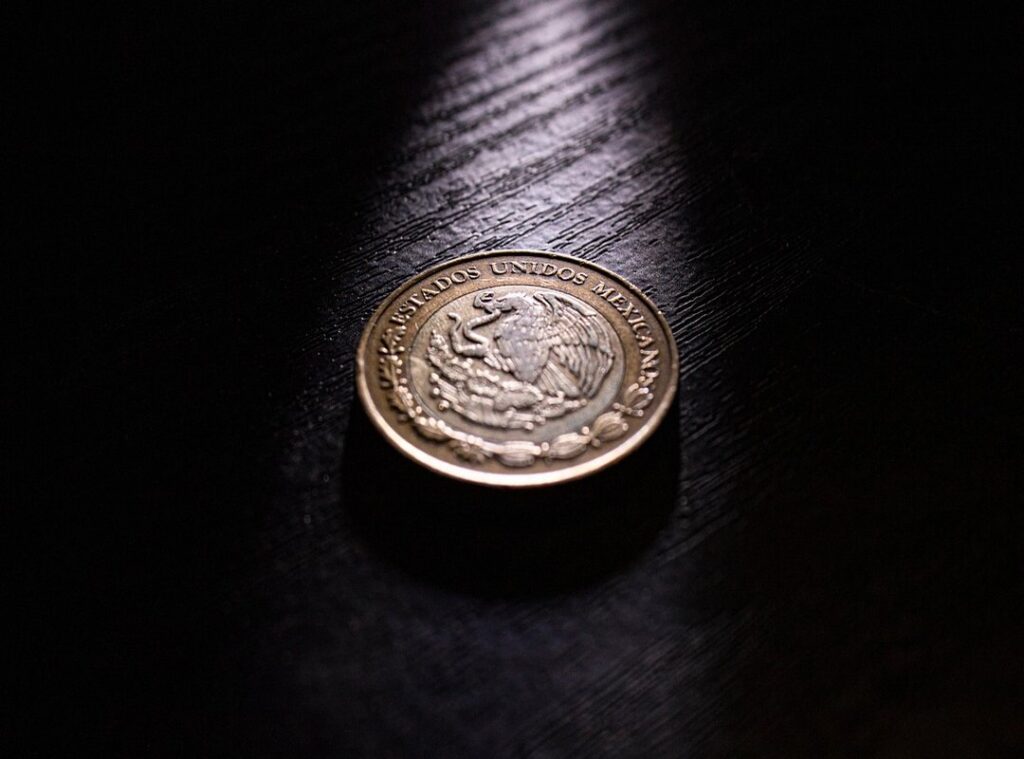
As of [Date], 20,000 CLP is approximately X BOB. This mid-market rate is what you’ll see online, but it’s not the amount you’ll actually get in your pocket.
I’m here to show you how to get the most Bolivianos for your 20000 pesos chilenos a bolivianos. It’s not just about the official rate; it’s about avoiding hidden fees and choosing the right conversion method.
Factors like transfer fees, exchange rate markups, and the service you use can really eat into your money.
In this guide, I’ll walk you through a clear, step-by-step process to ensure you don’t lose money on the exchange. Whether you’re traveling, sending money, or making a payment, you’ll know exactly what to do.
Understanding the Official Exchange Rate vs. The Real Rate
Let me tell you a story. A few years back, I was in Chile and needed to convert 20,000 pesos chilenos a bolivianos. I went to an airport kiosk, and boy, did I get a bad deal.
The mid-market rate is the real exchange rate that banks and transfer services use to trade among themselves, without any added fees. It’s like the true value of the currency, before anyone tacks on extra charges.
Here’s a quick comparison for 20,000 CLP:
- Major Bank: 19,000 BOB
- Online Money Transfer Service: 19,500 BOB
- Airport Currency Exchange Kiosk: 18,000 BOB
The difference is stark, right?
Now, let’s talk about the spread or markup. This is the percentage a service adds to the mid-market rate as their profit. Think of it as a convenience fee for currency.
Why do airport kiosks and physical bank branches offer such poor rates? High overhead costs. They need to cover rent, staff, and other expenses, so they pass those costs onto you.
Let’s break it down. If a service has a 3-5% markup, it can significantly reduce the final amount of Bolivianos you receive. For 20,000 CLP, a 5% markup means you lose 1,000 BOB.
That’s a lot of money just for the convenience.
Always aim for the rate closest to the mid-market rate with the lowest transparent fee. It’s the best way to keep more of your hard-earned cash.
Top 3 Methods for Converting Pesos to Bolivianos
When it comes to converting pesos to bolivianos, you’ve got a few solid options. Let’s dive into the top three methods and see which one fits your needs best.
Method 1: Online Money Transfer Services
Online services like XE or TransferWise offer better rates and lower fees compared to traditional banks. They’re also super convenient, allowing you to transfer money from your couch. However, transfer times can be longer, and you’ll need to set up an account first.
Best For: Sending money to a bank account in Bolivia.
Method 2: Using a Multi-Currency Debit Card
These cards, such as those from Revolut or N26, automatically convert currency at or near the mid-market rate when you make purchases or ATM withdrawals in Bolivia. They’re easy to use and secure, but watch out for ATM fees, and not all cards are available in every country. Zosisfod
Best For: Travelers who want to avoid carrying large amounts of cash.
Method 3: Exchanging Cash at a ‘Casa de Cambio’ in a Bolivian City
Local exchange houses often provide better rates than banks or airports. Just be sure to find a reputable one—look for official licenses and good reviews. Carrying cash can be risky, so only do this if you’re comfortable with it.
Best For: Small amounts upon arrival.
Avoid exchanging money at the airport or in your home country’s bank before you leave. These are consistently the most expensive options.
If you’re using ATMs in Bolivia, be aware of local bank fees. Always decline the machine’s ‘dynamic currency conversion’ offer; it usually gives you a bad rate.
For example, if you need to convert 20000 pesos chilenos a bolivianos, using an online service or a multi-currency card will likely you a better deal than going to a local bank or the airport.
Choose the method that suits your travel style and financial needs. Happy travels!
Watch Out for These Hidden Fees and Common Traps

You think you’re getting a great deal with “zero fee” or “no commission” offers, but here’s the catch: companies often hide their profit in a poor exchange rate. Be wary of that.
Dynamic currency conversion (DCC) is another sneaky trap. An ATM or card machine might offer to charge you in your home currency (CLP) instead of the local currency (BOB). This always results in a bad exchange rate.
Fixed transfer fees vs. percentage-based fees, and it depends on the amount. For 20,000 pesos chilenos a bolivianos, a fixed fee might be better.
Percentage-based fees can add up quickly, especially for larger amounts.
Also, check the receiving bank’s fees in Bolivia. Some institutions charge a fee for incoming international transfers. You don’t want to lose money just because you didn’t read the fine print.
Getting the Most Bolivianos for Your Pesos
The advertised rate for 20000 pesos chilenos a bolivianos is just the starting point. The best value comes from comparing options and looking beyond the exchange rate to understand the total fees.
Empower yourself by knowing how to identify and avoid common traps like airport exchange counters and DCC.
Before you convert, take two minutes to compare the final receiving amount from an online service versus your bank’s quote. This simple check can save you money, and make smarter, more informed currency exchanges.

 Richard W. has opinions about zosis pro makeup techniques. Informed ones, backed by real experience — but opinions nonetheless, and they doesn't try to disguise them as neutral observation. They thinks a lot of what gets written about Zosis Pro Makeup Techniques, Expert Collections, Beauty Hacks and Routine Upgrades is either too cautious to be useful or too confident to be credible, and they's work tends to sit deliberately in the space between those two failure modes.
Reading Richard's pieces, you get the sense of someone who has thought about this stuff seriously and arrived at actual conclusions — not just collected a range of perspectives and declined to pick one. That can be uncomfortable when they lands on something you disagree with. It's also why the writing is worth engaging with. Richard isn't interested in telling people what they want to hear. They is interested in telling them what they actually thinks, with enough reasoning behind it that you can push back if you want to. That kind of intellectual honesty is rarer than it should be.
What Richard is best at is the moment when a familiar topic reveals something unexpected — when the conventional wisdom turns out to be slightly off, or when a small shift in framing changes everything. They finds those moments consistently, which is why they's work tends to generate real discussion rather than just passive agreement.
Richard W. has opinions about zosis pro makeup techniques. Informed ones, backed by real experience — but opinions nonetheless, and they doesn't try to disguise them as neutral observation. They thinks a lot of what gets written about Zosis Pro Makeup Techniques, Expert Collections, Beauty Hacks and Routine Upgrades is either too cautious to be useful or too confident to be credible, and they's work tends to sit deliberately in the space between those two failure modes.
Reading Richard's pieces, you get the sense of someone who has thought about this stuff seriously and arrived at actual conclusions — not just collected a range of perspectives and declined to pick one. That can be uncomfortable when they lands on something you disagree with. It's also why the writing is worth engaging with. Richard isn't interested in telling people what they want to hear. They is interested in telling them what they actually thinks, with enough reasoning behind it that you can push back if you want to. That kind of intellectual honesty is rarer than it should be.
What Richard is best at is the moment when a familiar topic reveals something unexpected — when the conventional wisdom turns out to be slightly off, or when a small shift in framing changes everything. They finds those moments consistently, which is why they's work tends to generate real discussion rather than just passive agreement.